How did a giant baobab tree find a place of pride in the vicinity of Tata Institute of Fundamental Research?
By Sudhir Raikar1 min read
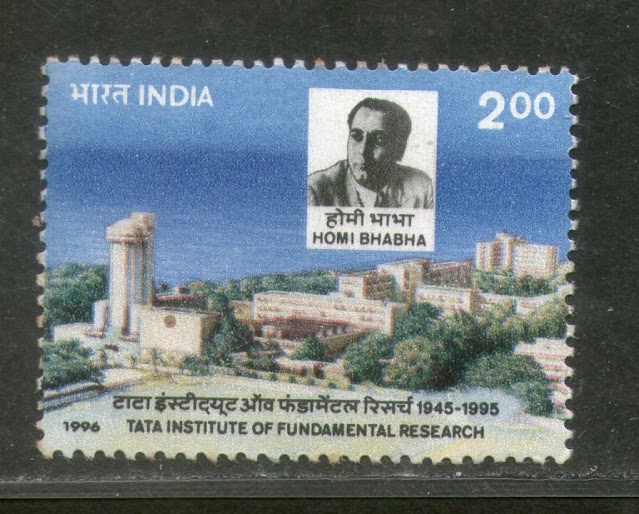
This majestic tree was originally a native of Nepean Sea Road, a elite neighbourhood adjoining the Malabar Hill. When a road broadening initiative posed a threat to its existence in 1970, it was proposed that that the tree be moved to the TIFR campus in Colaba, continuing a tradition seeded by the institute’s illustrious founder Dr. Homi Bhabha, who was a compulsive nature lover.
Given its weight of 50 tonnes and circumference of 18 feet, the relocation seemed like an impossible feat. However, renowned environmentalist S. D. Vaidya made the ‘transplant’ happen with exceptional flair and quiet authority. JRD Tata himself supervised the whole operation which involved the use of three cranes and two trailers, and two work shifts engaging the institute's gardening staff.
Much earlier, during Bhabha’s tenure, Vaidya had achieved India’s first ever tree transplant at Bhabha’s behest, when a Rain tree outside the scientist’s Kenilworth cottage home was ‘brought in’, following the widening of Peddar Road where it originally stood. In August 1962, a khirni tree (Mimusops Hexandra) was shifted from Nepean Sea road to the car park area near the auditorium. In 1963, a Baobab tree was transported to the institute premises from Andheri's Marol Maroshi Road.
For more details about TIFR’s ethos and essence (courtesy the holistic vision and towering values of Dr. Bhabha) refer to this treasure trove:
As an aside, the African Baobab (Adansonia digitata) was reportedly brought to India by the Arabs. The species is believed to have been blessed with a life span of 2000 years (hence fondly called the Tree of Life). The Golconda Fort in Hyderabad houses a baobab tree which is 430 years ‘young’, the largest of its kind outside of Africa.
Related essays
Padmakar Ranjit: everyday chronicler in a league of his own
A profile of Padmakar Ranjit, an everyday chronicler from Mumbai's Pathare Prabhu community, the early settlers and mavericks of Mahim Island.
How and why is N.C.P.A's Tata theatre a unique architectural feat?
The story of the NCPA's Tata Theatre in Mumbai, born of Tata philanthropy and J.R.D. Tata's vision, and what makes it a unique architectural feat.
How was Mumbai born?
Mumbai was born of an explosive volcanic eruption, unlike the Deccan trap. The tell-tale signs survive in the rocks of Kanheri, Jogeshwari and Kurla.