June 22, 2026 · 15 min read
“If everyone likes you, something’s amiss”: in conversation with a statistical outlier defying the law of averages
Thought leadership content architect, biographer, narrative designer, ghost writer, AI content curator, role play actor
June 22, 2026
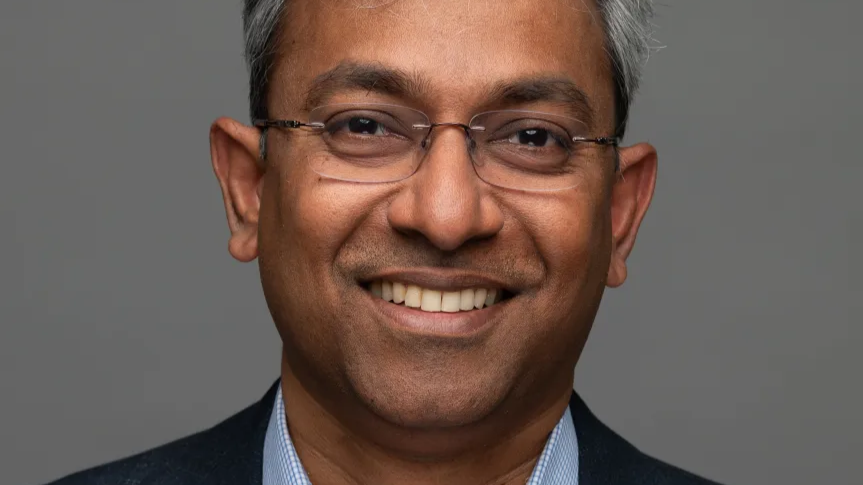
From the moment you first meet him in person, you know intuitively that he is a storyteller brimming with highly engaging chronicles drawn from the living waters of a rich and varied track record. No wonder, his contrarian strides have seen him arrive at vantage stations, not merely reach humdrum destinations. The real charm comes wrapped in how he describes himself - an average person who has simply tried to design an interesting life - for you know he’s happily underselling a rip-roaring career moving fluidly between medicine, genetics, sales, entrepreneurship, and ecosystem-building.
Long before I met Suman Lal MD,PhD,MBA at his Cambridge Innovation Center office at Kendall Sqaure, I had been briefed, by someone who knows us both well, about his wonder years in hometown Kerala, which are wholesome material to develop a potboiler film script, especially his near-fatal accident en route a scooter ride, following an electric shock from a dangling wire, which threw him just short of landing on a pile of crushed stone used for road construction, but more importantly, proved the proverbial turning point that lifted his academic scores from average to topper-grade.
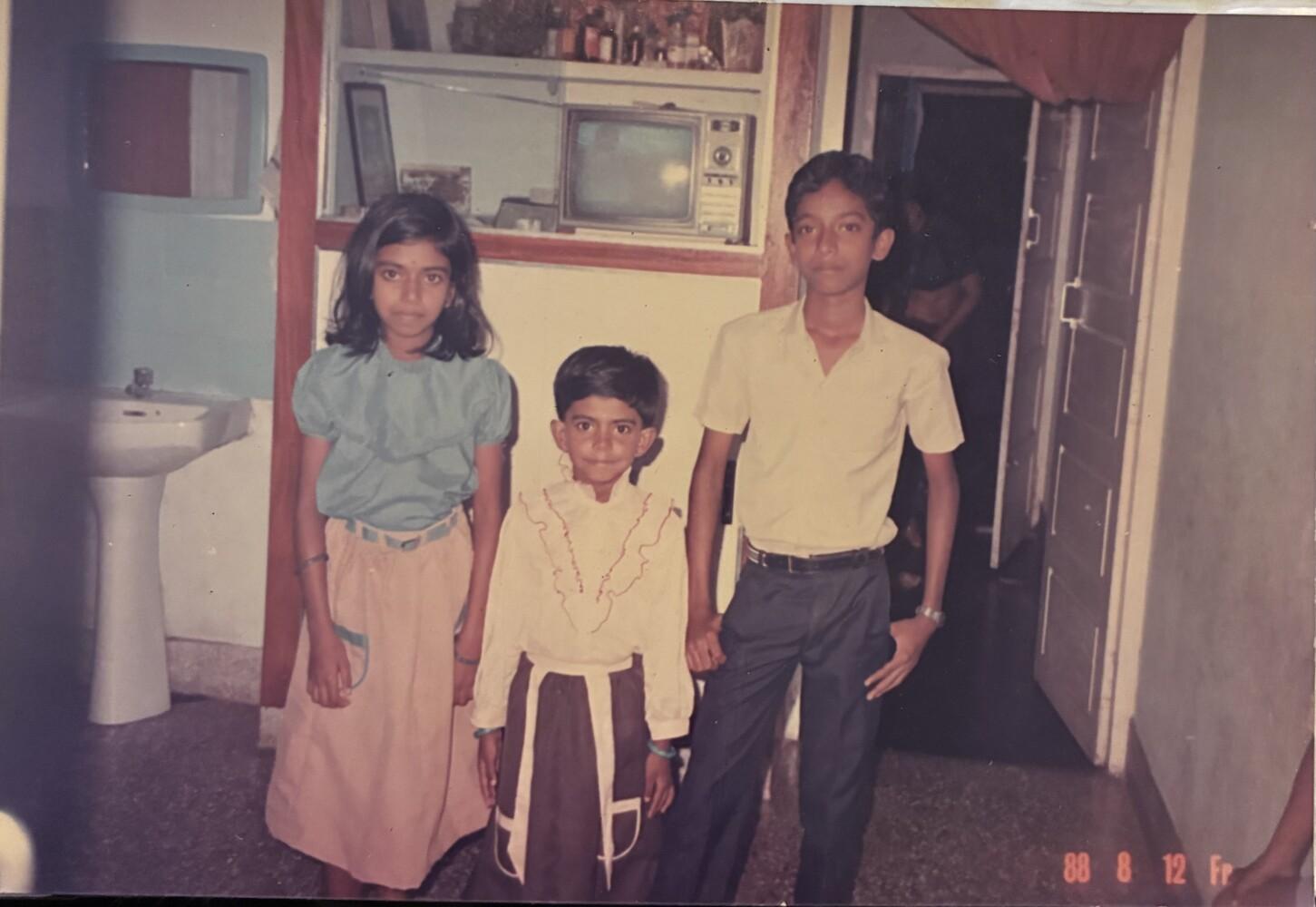
With sisters
In our tete-a-tete, however, he made no mention of this high-octane part, which shows he is a rich reservoir of here-and-now experiences, very unlike the many among achievers who chew the same stories like sticky gum, but with a naseuating flourish as if they were serving freshly baked sermons to make you wiser by the hour.
Matching his talent and temperament is a career that resists a single label and happily pays the price for undoing the gains inherent in long-term focus on a single domain or vertical. Trained as a physician in India, he stepped away early from clinical practice to pursue sunrise possibilities on the cusp of medicine and entrepreneurship. This voyage took him to the National University of Singapore, where he earned an MSc in human and molecular genetics and a PhD in precision medicine and clinical pharmacology. A deep study of how genetic variation shapes individual responses to cancer treatment placed him at the forefront of personalized medicine, decades before it became a disruptive buzzword.
Courtesy of yet another unconventional turn, he did technical sales for early-stage life sciences companies, deliberately choosing to learn the commercial side of science from the ground up. An MBA from MIT Sloan followed, drawing him into Boston's innovation ecosystem, where he went on to co-found and lead multiple start-ups, including Cardiatrics and Kyra, and to serve as CEO, then COO, of Deck Therapeutics. Along the way, he mentored emerging founders through MIT's Delta V program and Weill Cornell's BioVenture eLab, and advised researchers at MIT on bringing scientific discoveries to market.
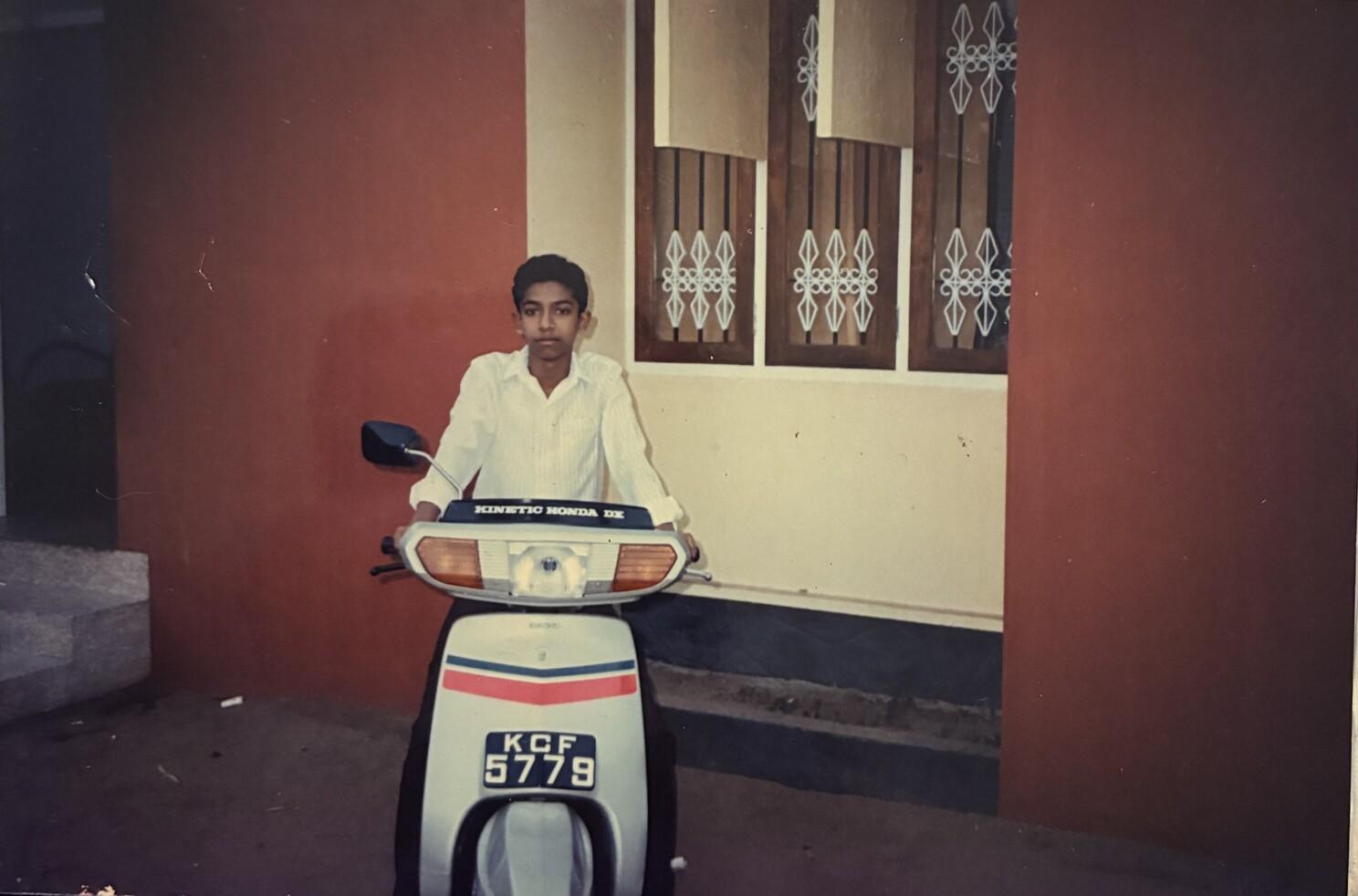
Teen Years in Kerala
As Managing Director of the Technology Innovation Studio in Kendall Square and Senior Advisor to both the Cambridge Innovation Center and the Venture Café Global Institute, he works at the intersection of science, capital, and community, building the infrastructure that helps new ideas survive their earliest and most fragile stage.
Below are excerpts of our conversation cruise, delighfully punctuated by his self-deprecating inferences and tongue in cheek quips, spanning quite a lot: from his dad’s formative counsel and the pivotal decision to leave clinical medicine to unfolding the science behind his doctoral research, as also the hard-won lessons of building, leading, and stepping back from companies.
I hope you enjoy the cruise as much as I did. Here goes:
Is there a particular memory or moment from your formative years that shaped the person you are today?
One memory that has stayed with me is a conversation with my father on the verandah of our house. I must have been around 12. He was talking about concentric circles, the idea that there is always someone on the outside orbit who knows better than you and has a broader perspective. That idea never left me. It taught me that the world is much bigger than the small orbit I happen to occupy, that I am never truly an expert, and that it is always worth putting things in perspective.
Around age 15, it dawned on me that I am an average person. I have designed my life around that realization ever since, and it may even become the title of a book someday: "How can an average person make life interesting and exciting?"
I also remember my father telling me, when I was very young, that if everyone likes you, something is not right. I have found that to be very true.
What drew you toward medicine in the first place? Was becoming a doctor always the plan, or did it emerge from family expectation, evolved realization, or something else?
I actually wanted to be an engineer and had joined an engineering college. But when the medical entrance results came through, I gave in to everyone's excitement about the idea of me becoming a doctor.
It was reading The Fountainhead and Atlas Shrugged, combined with ongoing discussions with friends, and one particular conversation with my younger sister, who asked for my advice on career options after medicine, that made me realize I should eventually step out of clinical medicine. That realization came in 1994, during my second year of medical school, which ironically made the rest of my time there much easier.
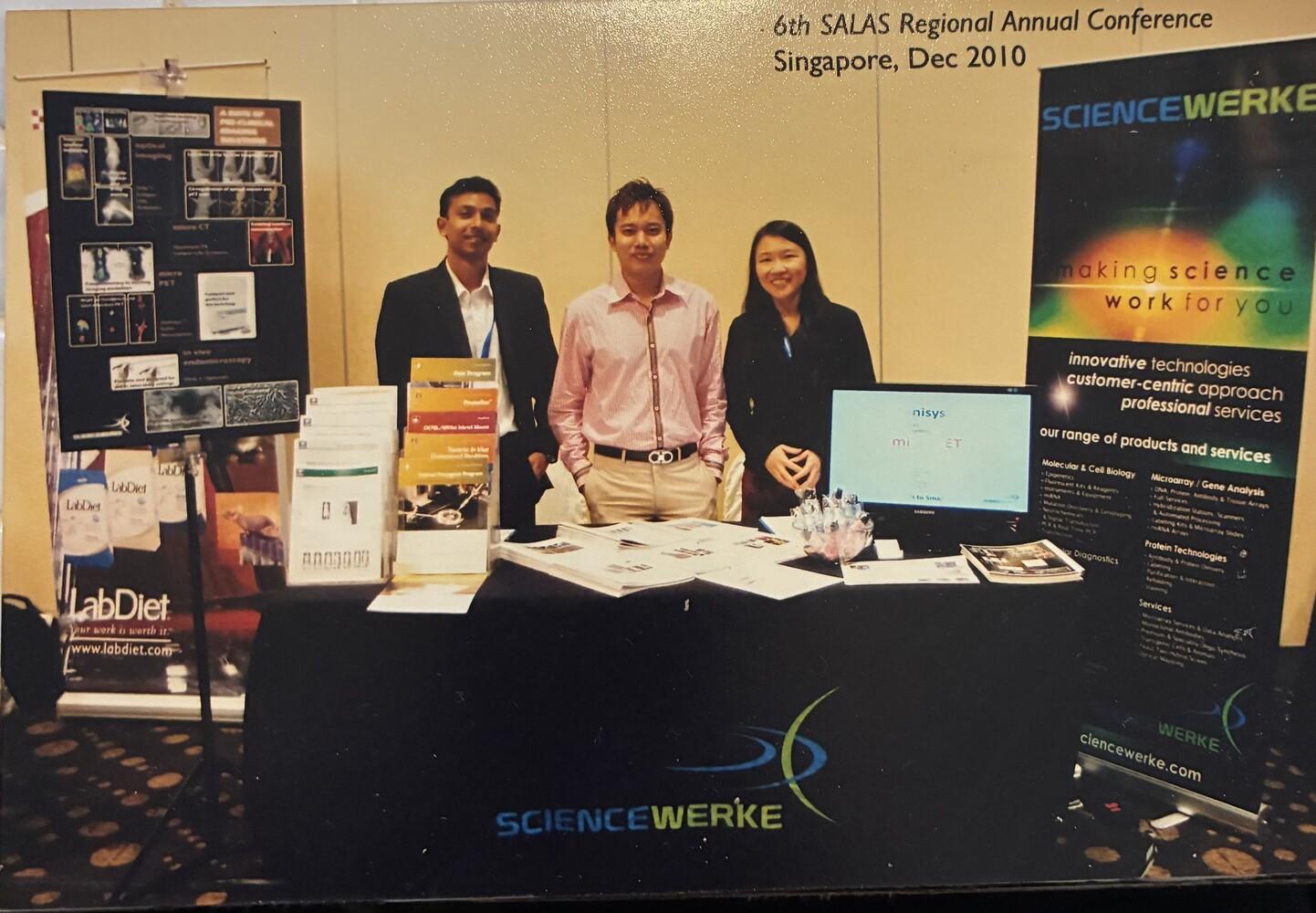
Sales @ Singapore
You moved from an MD in clinical medicine into an MSc in human and molecular genetics, and eventually a PhD in precision medicine and clinical pharmacology. What pulled you away from the bedside and toward the genome?
There are a few threads to this. Throughout my career, I have kept shifting, from medicine to research, from research to sales, from sales to entrepreneurship. My thinking has generally been: if I am not going to be a great doctor, what is the point of staying?
Practicing clinical medicine also ties you to a specific location, and I wanted to see the world. Research, on the other hand, functions almost like a passport. You can live and work in Japan, Antarctica, anywhere. That made the decision easy.
I also remember drawing decision trees for my sisters to explain the career paths available to a doctor. That exercise clarified things for me as well. It became obvious how much the world opens up once you combine a medical background with research experience, and the choice became a no-brainer.
In hindsight, there was also a practical dimension. The scholarship Singapore offered me was generous enough that I could send more money home to my parents than I would have earned as a practicing physician in India.
My time in emergency medicine was incredible because I was directly saving lives, but developing medicines or new technologies has the potential for far broader impact. I am currently starting a project related to tuberculosis where, if successful, it could contribute to eliminating the disease. It sits at the intersection of public health and therapeutics, and while it may not carry the financial returns of a cancer drug, I believe it could be hugely impactful.
Your doctoral research at the National University of Singapore focused on the pharmacogenetics of chemotherapy, particularly doxorubicin pathways, and how genetic variation across ethnic groups affects drug response and toxicity. Could you elaborate on this intersection of cancer treatment and genetics, and share your key findings?
We all know there is enormous variation in how individuals respond to the same drug, and the question is always why. I was fortunate to explore that question through pharmacogenetics, which looks at how drugs are broken down and transported in the body, and how they produce their effects, all through the lens of human genetics. This kind of work allows you to choose not just the right medicine for a person, but the right dosage and route of administration, maximizing benefit while reducing side effects. In short, it allows treatment to be personalized to a person's genetic makeup.
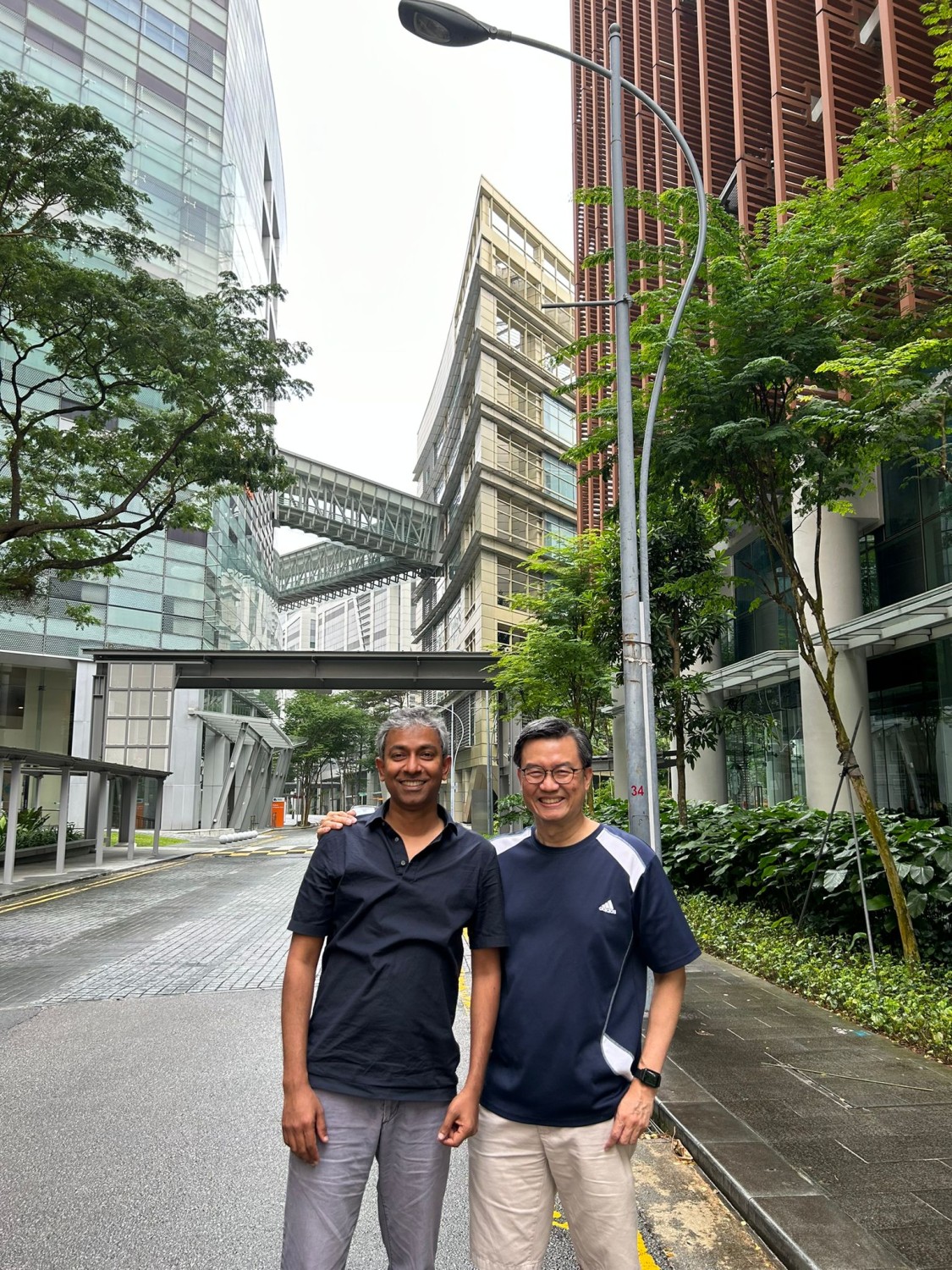
With Dr. Heng Chew Kiat, First Supervisor in Singapore
I was fortunate to be working in personalized medicine twenty-five years ago. In many ways, the field has yet to be fully realized, but I remain convinced that personalized treatment will eventually become standard. My specific focus was doxorubicin, a molecule that has been used for fifty years and causes significant side effects in cancer treatment. I had the opportunity to publish my research, offering insight into why patients vary in their adverse reactions to the drug, based on their genetic profiles. Some of that work is available through my Google Scholar page.
Lab research rarely moves in a straight line. What were the highs and lows of your PhD years that tested your resolve, and how did you push through them?
I had an excellent PhD supervisor, Dr. Balram Chowbay, who pushed me hard. I remember spending months writing a thesis that he tore apart, forcing me to start again. A large part of doing a PhD is learning to manage your relationship with your supervisor. In some ways, you are caught in a bind, but that bind shapes you and makes you stronger, and interestingly, it has very little to do with the science itself.
My lab colleagues were wonderful, and I received a great deal of help from them. It was a good example of a team working together to complete a project. I was good at building the narrative and publishing the work, which involved a fair amount of strategy, while my colleagues were excellent at running the experiments.
At some point you stepped away from being purely a researcher and into technical sales, commercialization, and entrepreneurship. How did this shift happen? Looking back, do you see it as a leap of faith or a logical next step?
This was another case of asking myself: if I am not going to be a great scientist, why stay in academia? Somewhere along the way, I had also concluded that sales is the most valuable skill you can have if you want to enter the world of business, and I knew I needed to spend real time in that world to understand it. That is why I spent the next five years in technical sales for early-stage companies.
I was fortunate to land at a small distribution company, which let me represent multiple companies at once and learn how different technologies performed in the market. I was also lucky to have colleagues like Jason Ng and Vijay Bhandari, who gave me tremendous freedom to explore and build a portfolio. I remember traveling in the US for a few weeks shortly after starting, and Jason writing to ask whether I was planning to come back at some point.
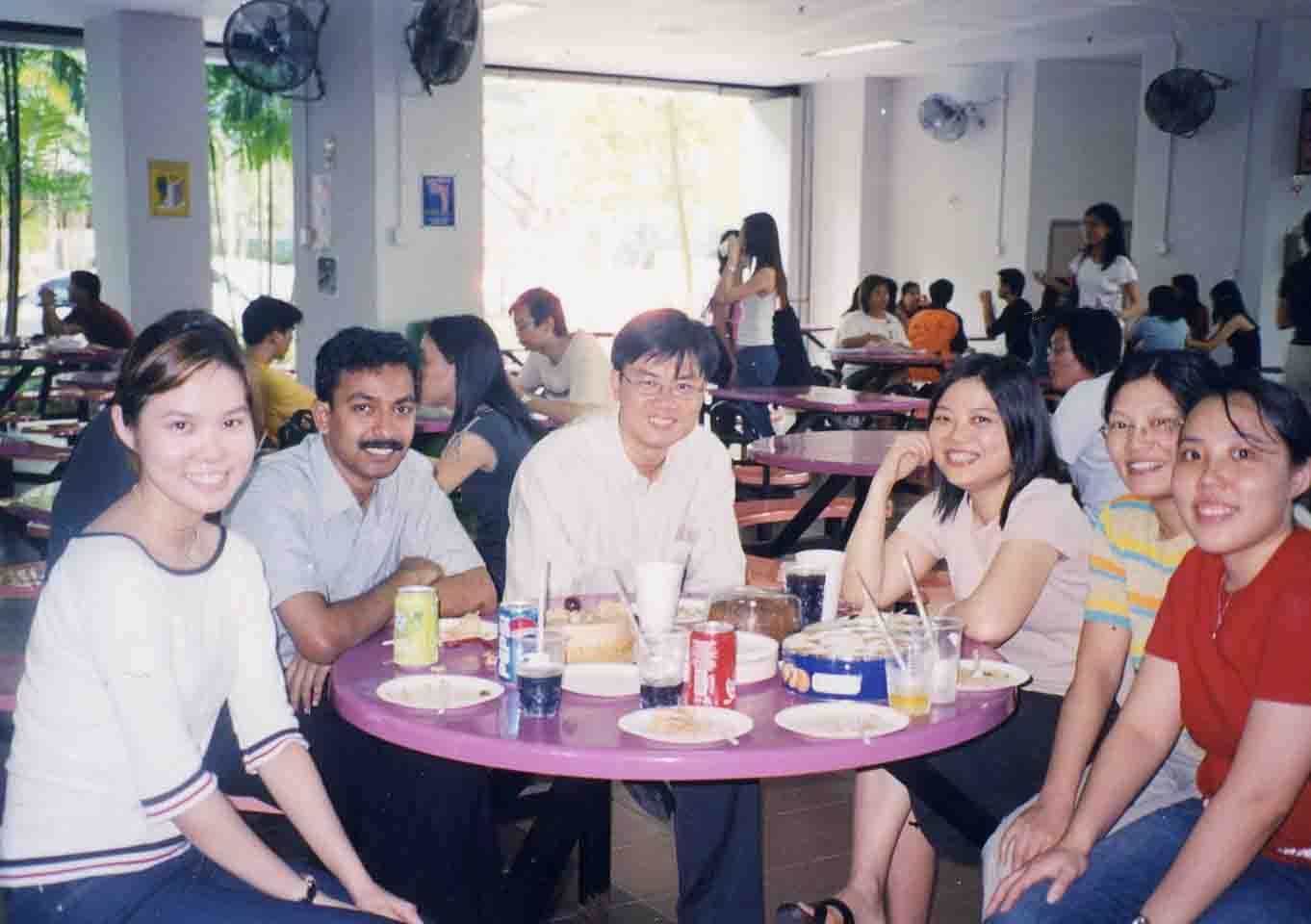
First research lab team
Before building your own ventures, you spent years in technical sales for deep-tech start-ups. What did that decade and a half teach you about the gap between brilliant science and a viable business?
That gap is real and significant. The role of an academic scientist and lab is to explore widely, ask questions, and test hypotheses. It is not meant to answer the question of whether there is a business opportunity in the work. That question belongs to a different set of people. Some scientists develop this outside perspective early and shape their research accordingly, either by asking the questions themselves or by working closely with industry experts. Doing it that way meaningfully improves the odds of success. But I want to be clear that building a viable business is not really the purpose of a researcher, unless they happen to be in a lab or institution specifically dedicated to translational or applied research.
You co-founded two very different start-ups, Cardiatrics in digital cardiovascular health and Kyra in personalized haircare, around the same time. How tight was the ropewalk?
This may not come through clearly on my resume, but I have always worked on multiple projects simultaneously. You could call it being focused on many things at once, or taking a portfolio approach, or simply making sure I never have downtime.
Both Cardiatrics and Kyra were rooted in personalization. With Cardiatrics, we were offering personalized lifestyle modification. Both companies were part of a venture studio I was involved in, so we shared resources, which was a business model we were experimenting with at the time. There were four other companies in the studio as well, and the team totalled around fifty people. In retrospect, we did not raise enough capital for the studio, and we struggled to find the right teams to take over individual projects, but it was an incredible learning experience overall. I am actually returning to work with one of the companies from that portfolio now. There are no shortcuts in entrepreneurship, and a lot of experimentation has to happen before you find product-market fit.
At Deck Therapeutics you moved from being the CEO to taking on the COO role. Is there a leadership lesson from that chapter you carry with you even now?
We brought on a new CEO to take over from me, and that transition was always part of the plan. My real interest, experience, and expertise, if I can claim any, lie very much in the zero-to-one stage of building something around a technological invention. That stage requires a leadership transition once the business starts taking shape, and experienced CEOs who can scale a business from one to ten, or one to a hundred, are often not equipped with the skills needed for the zero-to-one phase.
The leadership lesson I carry from that experience is that you should not hold on to responsibilities that sit beyond your skill set. It is important to hand over leadership to people better suited to the next stage of a business's evolution.
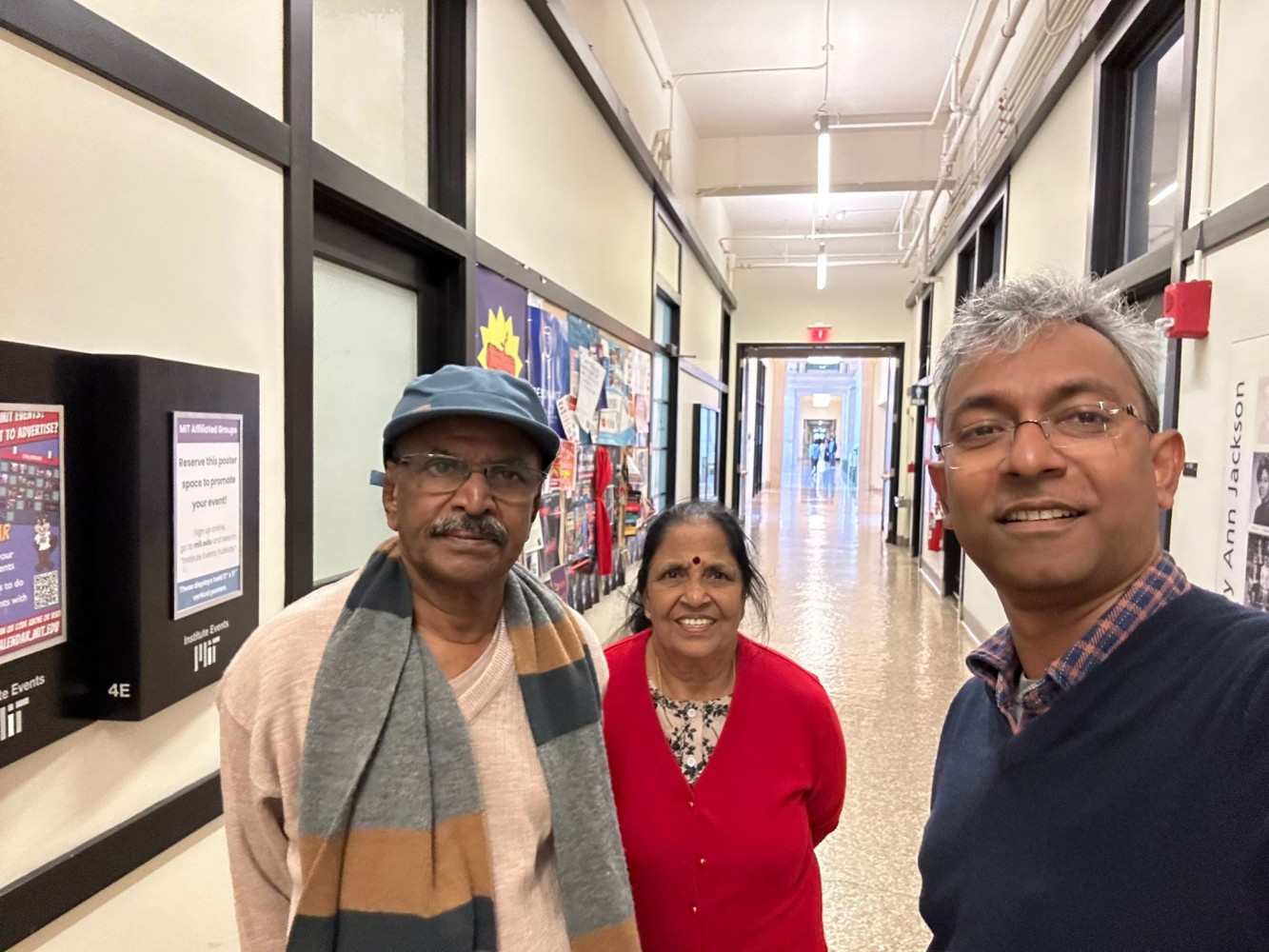
With parents at MIT infiniti corridor
Across MIT's Delta V program and Weill Cornell's BioVenture eLab, you spent years mentoring young founders and scientists. Any fond memories from that time?
It is always fascinating to watch other entrepreneurs and scientists begin their own journeys. My biggest realization from that time is that I am not actually a good advisor, because I tend to get more involved in projects and companies than is asked of me. I struggle to draw a clean line where the advisory role ends, and I end up taking on operational responsibilities instead. That is part of why I generally avoid formal advisory roles with start-ups now.
You're now a Senior Advisor to both CIC and the Venture Café Global Institute, after founding the Technology Innovation Studio in Kendall Square. What does this current role let you do that none of your earlier ones could, and what does "innovation" mean to you now that it didn't mean ten years ago?
I have had a long-standing interest in building innovation ecosystems, going back to my time at MIT, where my thesis focused on accelerating the technology entrepreneurship ecosystem in Singapore. Working with CIC and Venture Café opened up my thinking in ways I had not experienced before, particularly around how ecosystems are built, how communities form, and how important programming and innovation infrastructure really are. I continue to apply those lessons in my work at the Technology Innovation Studio, where I am focused on developing sustainable models for accelerating technology innovation.
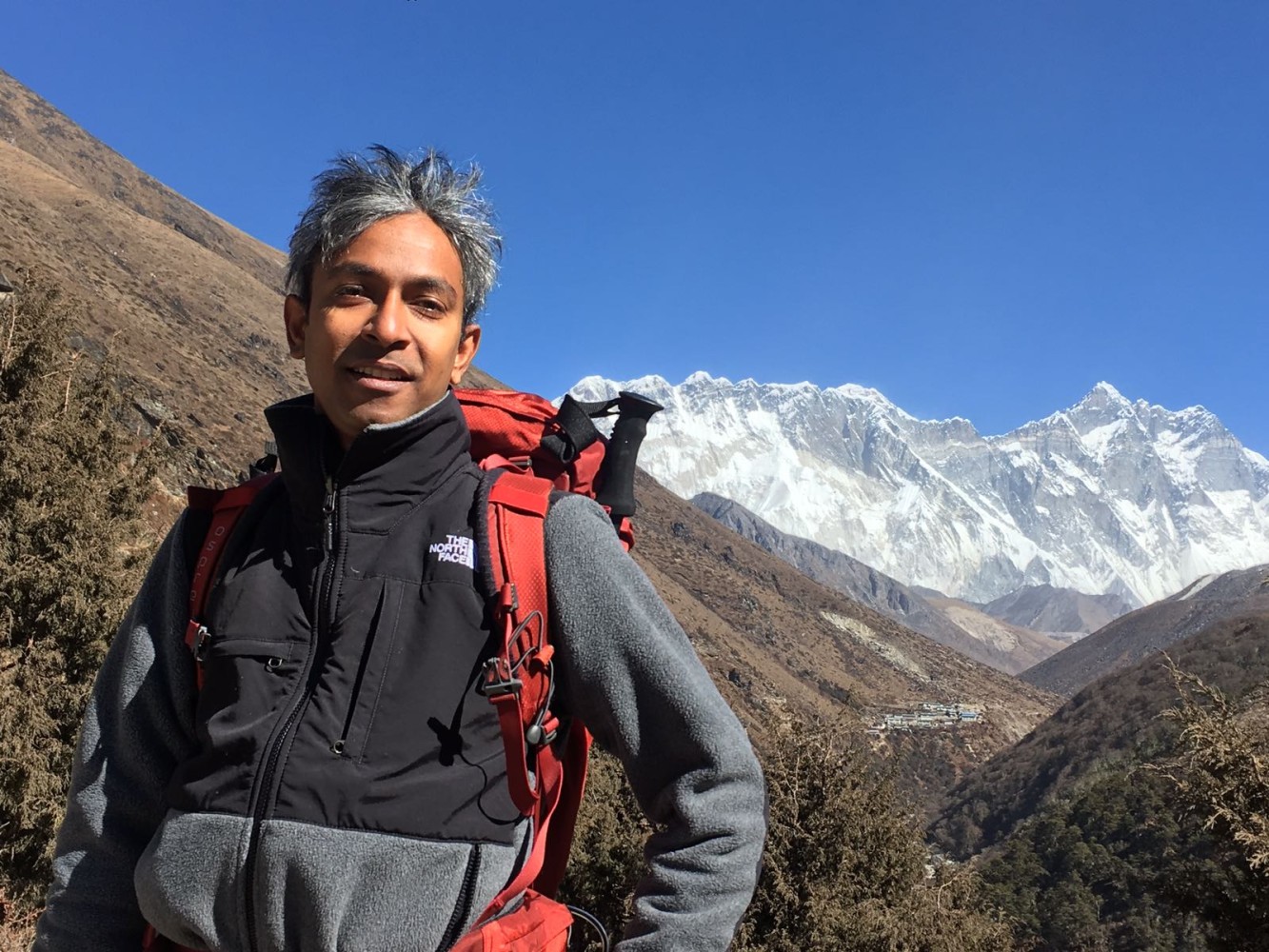
Everest Base Camp
As an Industry Advisor in Healthcare and Medicine at MIT, you sit at a unique vantage point between raw academic science and the market. What's the most common mistake you see brilliant researchers make when they try to commercialize their work, and what's the one thing you wish someone had told you at that stage of your own journey?
The most common mistake I see is researchers trying to build a company themselves, purely from a technology angle, without inviting diverse perspectives from the commercial side. Doing this well requires building an interdisciplinary team from the start, and that choice shapes the entire structure of the company, which is essentially its foundation. If the foundation is weak, everything built on top of it becomes fragile. The advice I would give is simple: invite others into your journey early, and put the right structure and compensation plan in place from the beginning.
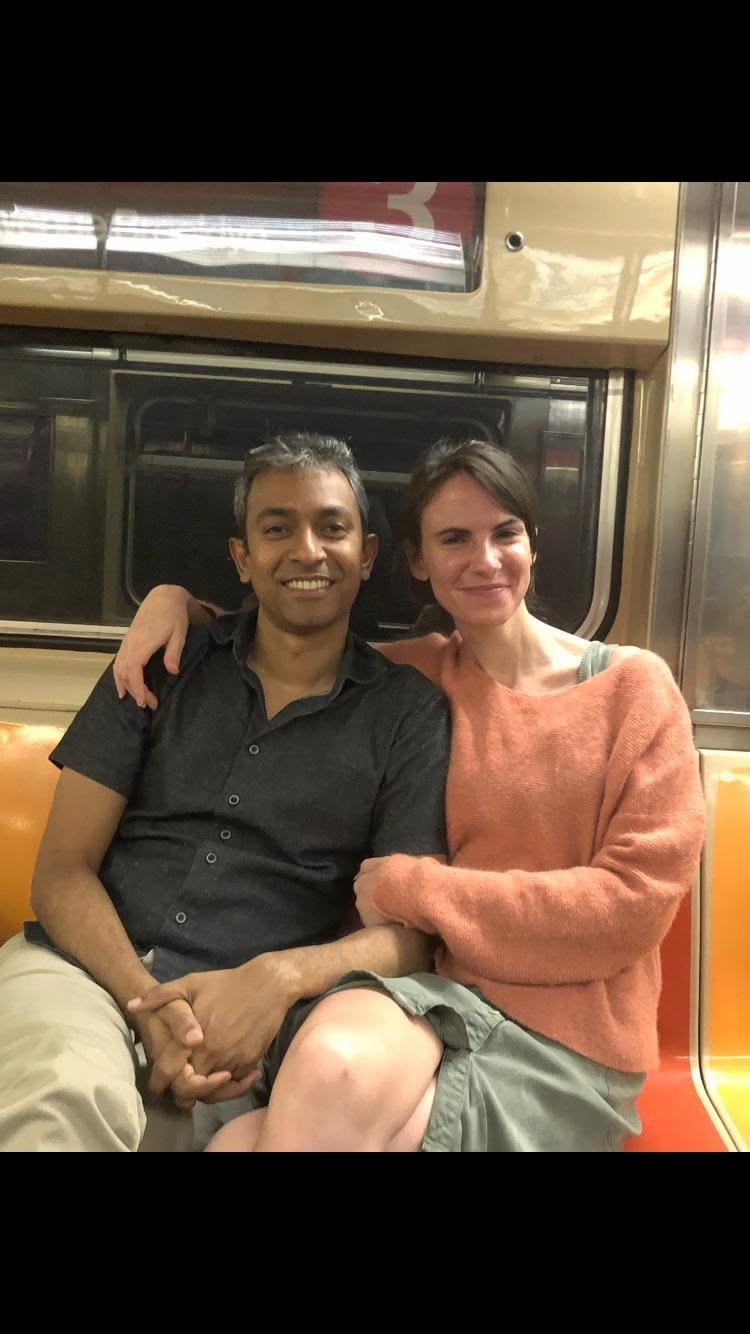
With Rachel on the NYC train
After moving through medicine, genetics, oncology research, entrepreneurship, and now innovation strategy, having seen disease, drug failure, business failure, and rebirth up close, what has this winding path taught you about mortality, purpose, or what actually matters in a working life?
I cannot speak for anyone else, but I tend to look at everything through the lens of how I, as an average person, can make the most impact. Having spent time in the emergency room, I saw that everyone who came through those doors had been living an entirely normal life just thirty minutes earlier. That has left me deeply grateful for every moment. I also hold strongly to the idea of doing no harm, which is part of why early-stage technology innovation feels to me like one of the purest and most meaningful spaces to work in.
Going forward, where do you see yourself in a decade? Any plans of going back to practice, or will your entrepreneurial path continue, or perhaps both?
My wife reminds me that on our first date, I mentioned dying before turning fifty, which is happening in a few days. So I consider everything after that a bonus. I am taking things day by day and don't have firm long-term plans. If the past is any guide to the future, I am fairly certain I will be doing something quite different from what I am doing now.
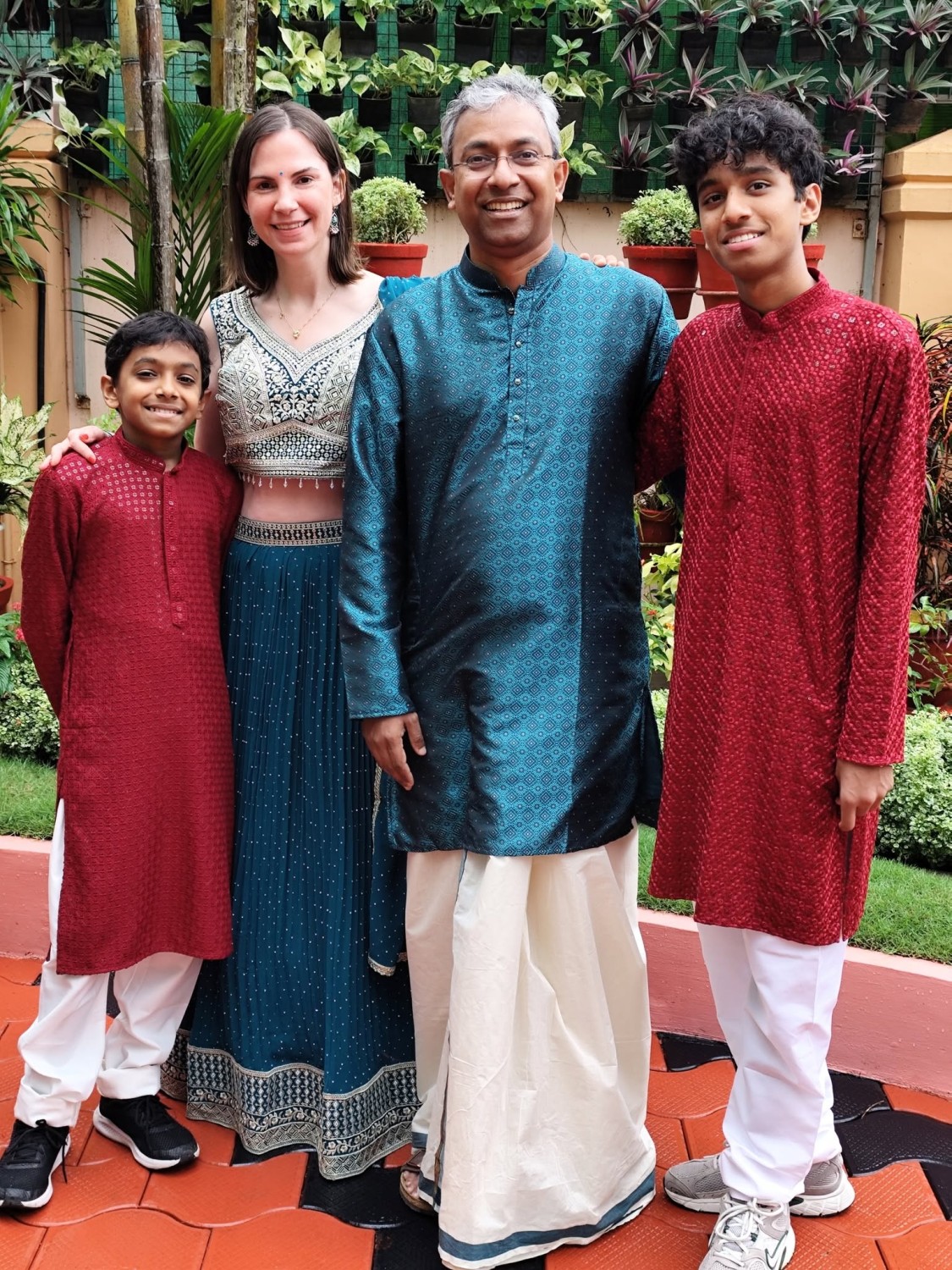
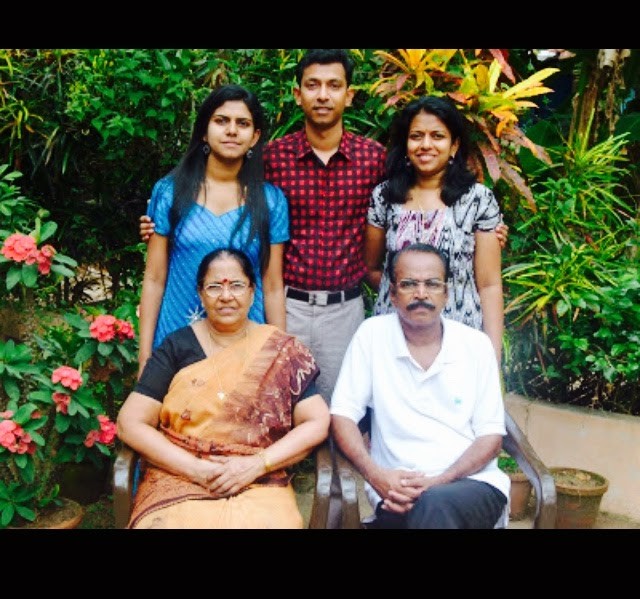
With family in God's Own Country
Could you share a family factfile of sorts?
None of this experimental approach to life would have been possible without the support of my parents growing up, and now my wife. My kids are starting to ask questions about it.
I met my wife, Rachel, on a train in Times Square in New York City, and she remains my greatest accomplishment to date. We have two boys, Neil, who is 17, and Rosh, who is 12. I hope neither of them grows up to become an entrepreneur.