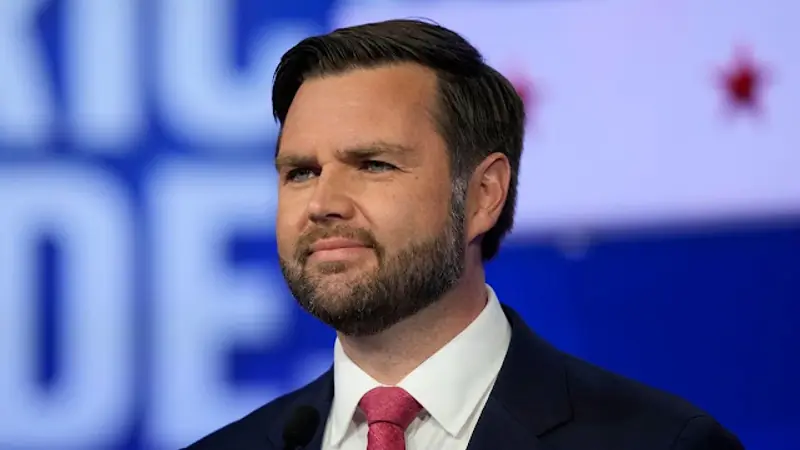
Appalachian triumph of Apocalyptic highs and lows
A review of JD Vance's Hillbilly Elegy that looks past the author's later political rise to a memoir of a family and a culture in deep crisis.
Topic
Essays and reflections by Sudhir Raikar on politics & current affairs, newest first.
28 essays · page 1 of 2
A review of JD Vance's Hillbilly Elegy that looks past the author's later political rise to a memoir of a family and a culture in deep crisis.
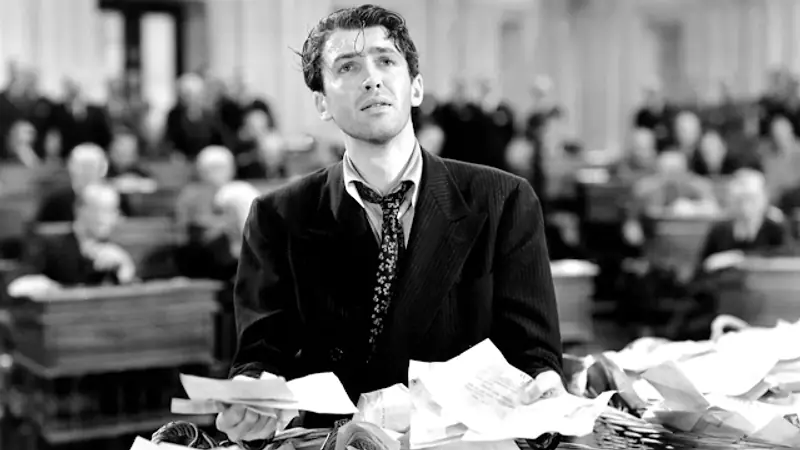
Revisiting Frank Capra's 1939 classic Mr. Smith Goes to Washington and James Stewart's idealist, and wishing he could make it to Washington again.
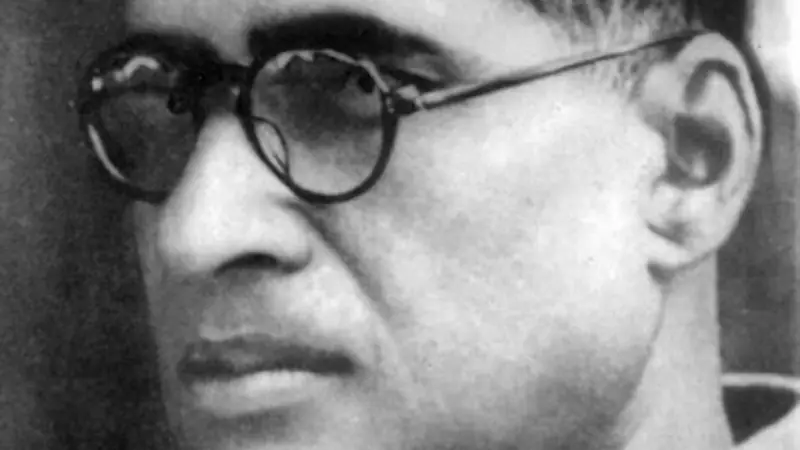
How M. N. Roy, back from Europe after breaking with the Comintern, lived in Mumbai in 1930 as Dr. Mahmood and taught Marxism to the city's youth.
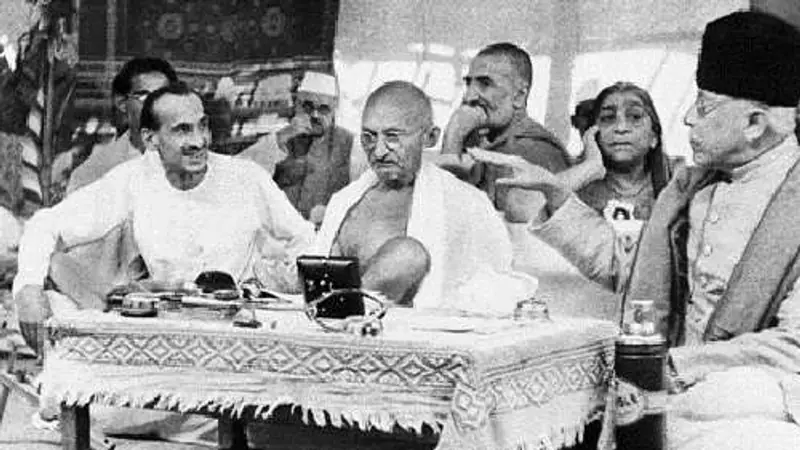
The little-known story of the 1942 Quit India session at Mumbai's Gowalia Tank Maidan, and of Yusuf Meherally, who coined the famous slogan.
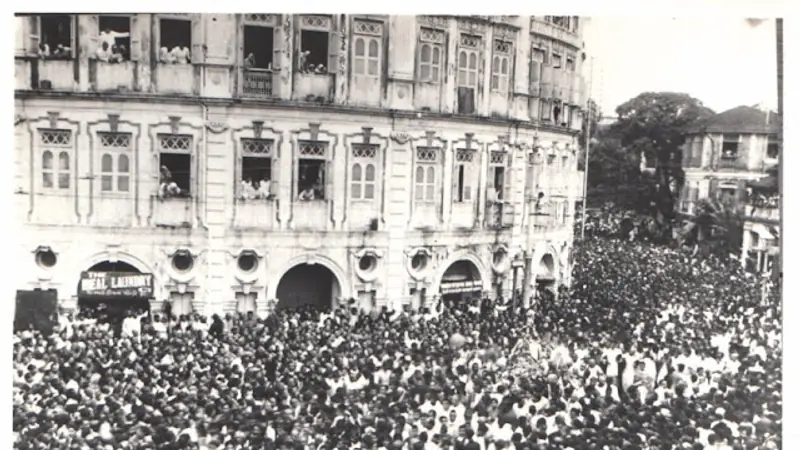
On August 1, 1920, Lokmanya Tilak died at Sardar Griha in Mumbai. More than two lakh people attended his funeral on a pyre at Chowpatty beach.

A satirical take on a prime-time media analyst turned motormouth, whose nods, spectacles and flimsy arguments became pure Covid-time comedy.
With prudent Covid measures and growing ESG consciousness, India has emerged as one of the world's safest harbours for ESG investing. Here is why.
As US regulators propose changes to the Volcker Rule, a closer look at whether keeping bank speculation in check is still a feasible objective.
Kailash Gandhi of the Institute of Cost Accountants of India on why landmark reforms need better public awareness to win decisive public buy-in.
As Janet Yellen's term ended in February 2018, would Trump's choice of her successor help the Fed reinforce its credibility as a central bank?

Shivnath Thukral of Carnegie India on the Global Tech Summit 2016 and the think tank's mission to bring industry, policy and government together.
A critique of actor Om Puri's remarks on the Uri attacks, and of the Bollywood power players and filmmakers whose interests such views protect.
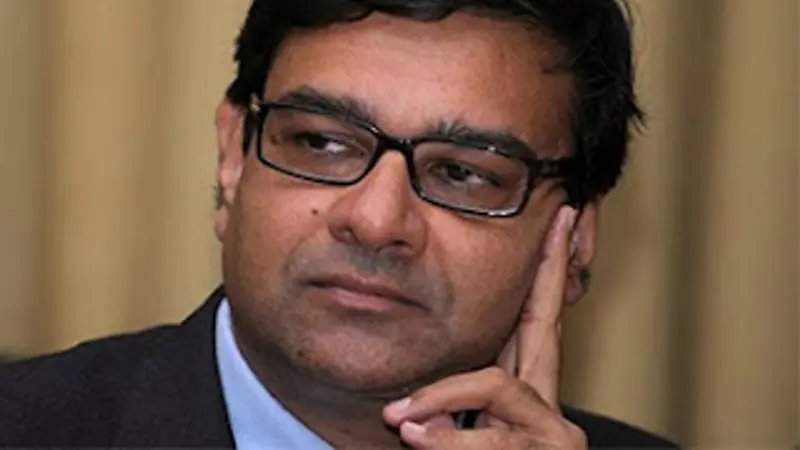
Why the appointment of Dr. Urjit Patel as RBI Governor, with his blend of academic, government, IMF and RBI experience, augurs well for India.
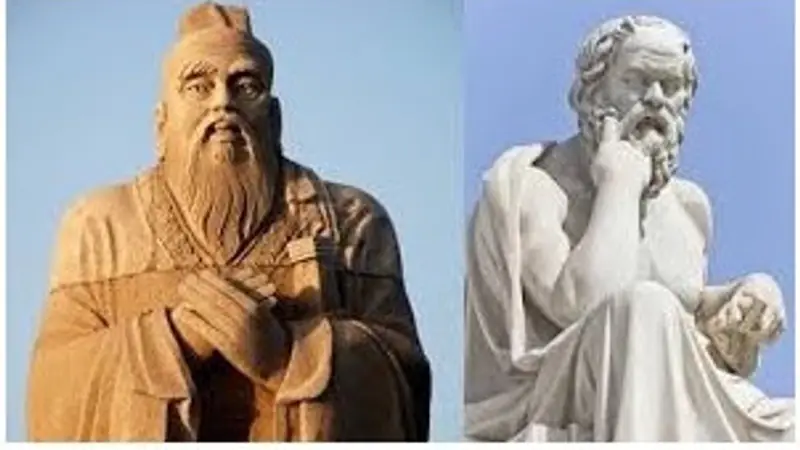
An analysis of two disparate catastrophes of 2015, the Greek debt crisis and the Chinese market crash, and why opinions outnumber observations.
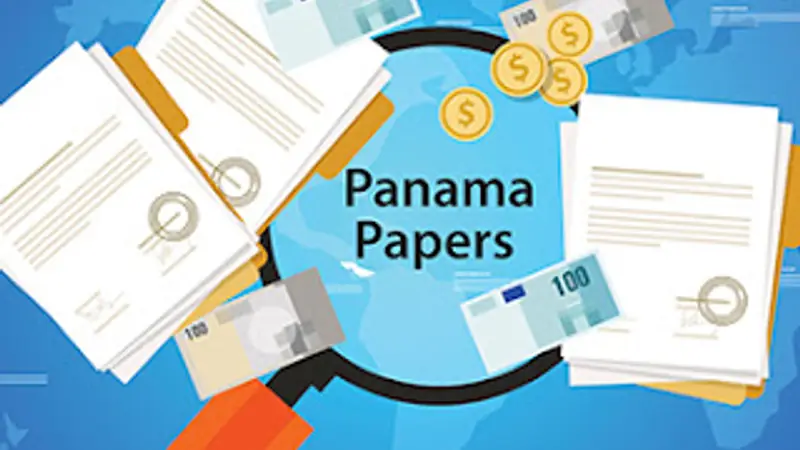
Beyond the noise over the Panama Papers, Seabrooke and Wigan explain why we lack the power and resources to regulate offshore finance today.

The 2016 budget brought health cover, cheaper generic drugs and dialysis services. But are they enough for a country with India's health burden?
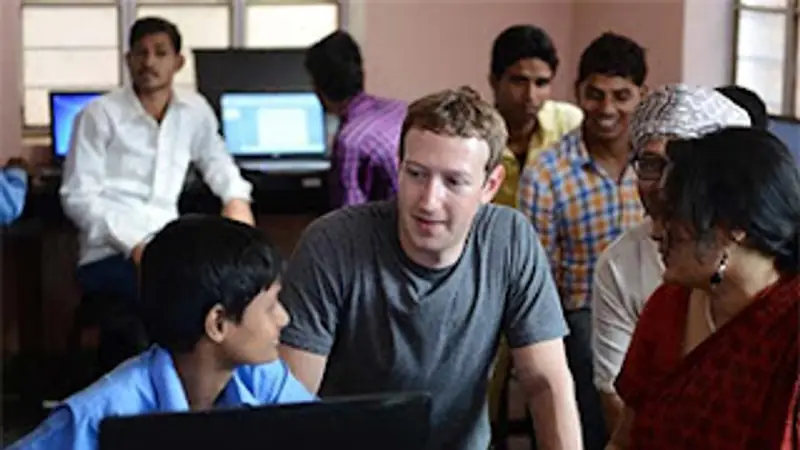
Facebook's Free Basics carries a hidden fee: a closed internet of constricted choices. Why India must resist gatekeepers turning into gang lords.

SpiceJet went from a loss of Rs 124 crore to a Rs 71.8 crore profit. Why its restrained media strategy is as commendable as its sharp turnaround.
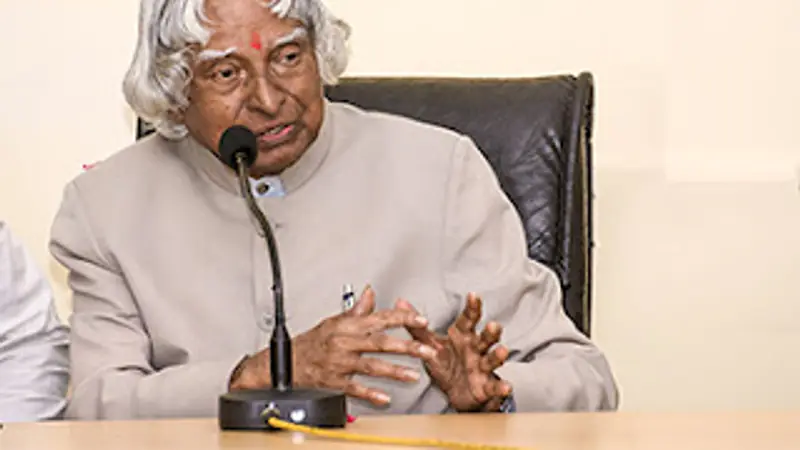
Remembering A P J Abdul Kalam (1931-2015) beyond the Missile Man label, as India's most purposeful president who touched the lives of citizens.

The NPA crisis raises hard questions about banking governance and regulation. Unless they are voiced firmly, RBI fixes will remain merely palliative.

Despite the promise of a simple income tax return form, form filling in India remains a torturous experience by a queer mix of default and design.
A short story about an Ayurveda practitioner named Acharya that illustrates the crux of the net neutrality debate and the intentions behind it.

Why the government's decision to accept the Bombay High Court ruling in the Rs 3,200 crore Vodafone tax case signals a better investment climate.
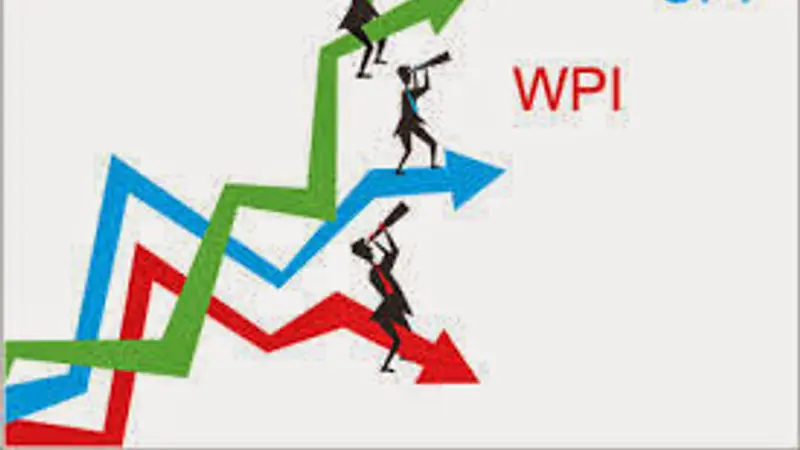
Why WPI and CPI figures spark such diverse readings of every RBI rate cut, and why we need to move from raw data to more meaningful conclusions.