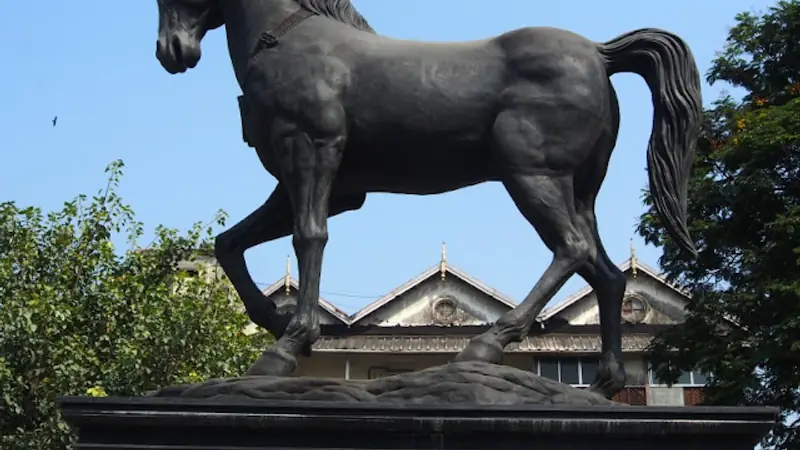
What's the fascinating legend of Mumbai's Kala Ghoda?
Mumbai's Kala Ghoda precinct takes its name from a black equestrian statue of King Edward VII, gifted by Albert Sassoon. The story behind it.
Topic · Page 2 of 4
76 essays · page 2 of 4
Mumbai's Kala Ghoda precinct takes its name from a black equestrian statue of King Edward VII, gifted by Albert Sassoon. The story behind it.
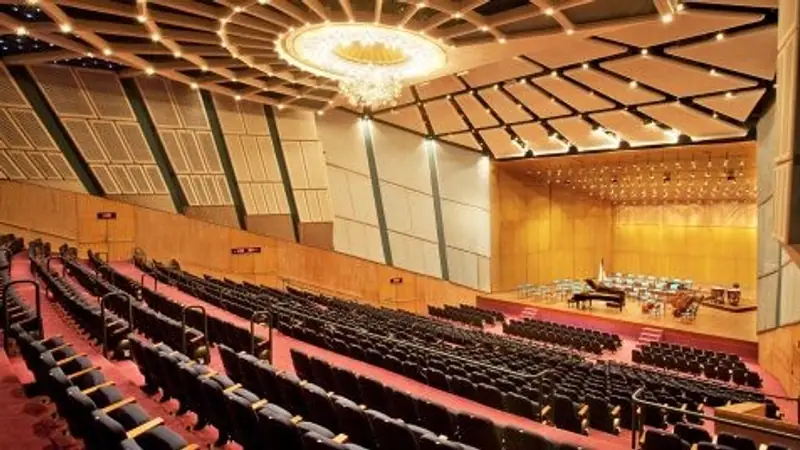
The story of the NCPA's Tata Theatre in Mumbai, born of Tata philanthropy and J.R.D. Tata's vision, and what makes it a unique architectural feat.
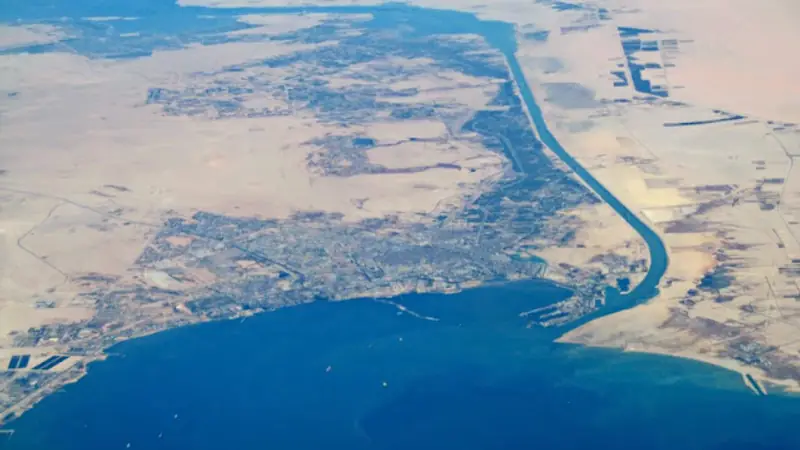
How Britain's control of the Suez Canal in 1875 slashed the distance between Mumbai and London and opened the floodgates of prosperity for Mumbai.
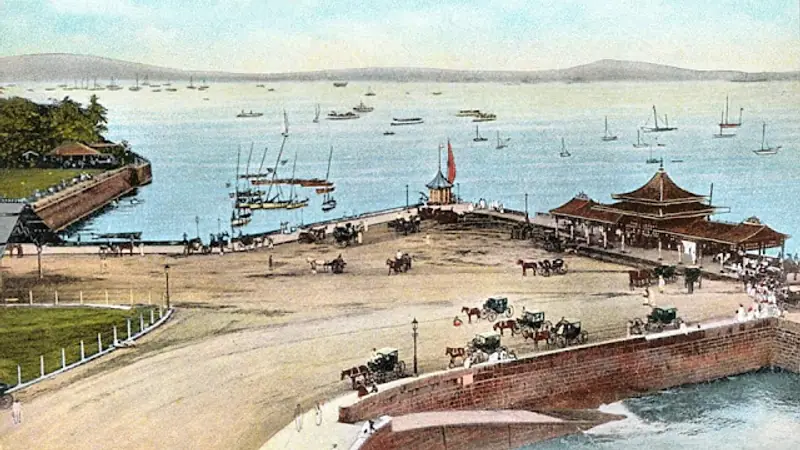
Apollo Bunder, Antop Hill and Charni Road sound European but have native roots. The local stories behind Mumbai's misleading landmark names.
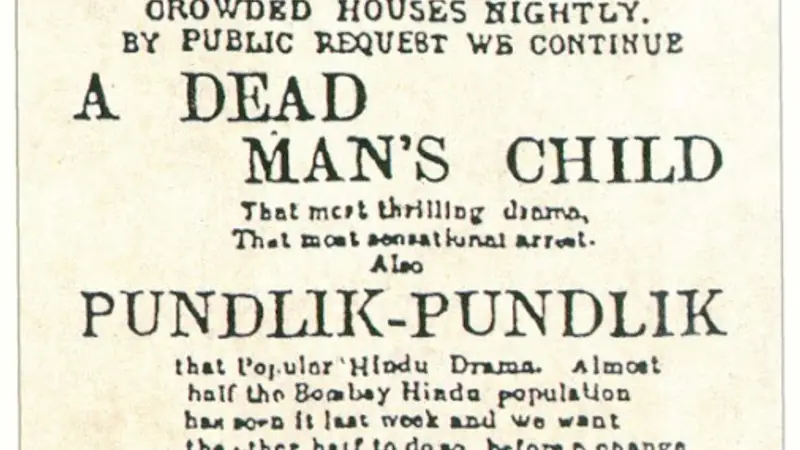
Before Phalke's Raja Harishchandra (1913), the silent film Shree Pundalik was released in Mumbai in 1912. The story behind India's first film.
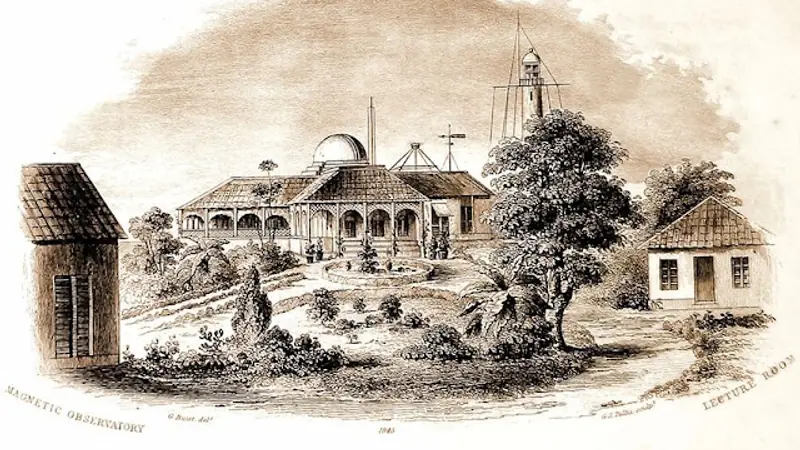
Built in 1826 by the East India Company, the Colaba Observatory is India's oldest, home to some of the earliest magnetic observations in the world.
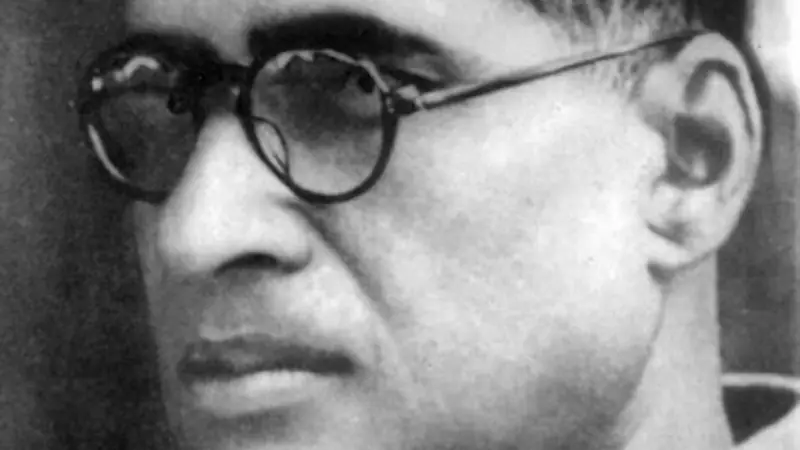
How M. N. Roy, back from Europe after breaking with the Comintern, lived in Mumbai in 1930 as Dr. Mahmood and taught Marxism to the city's youth.
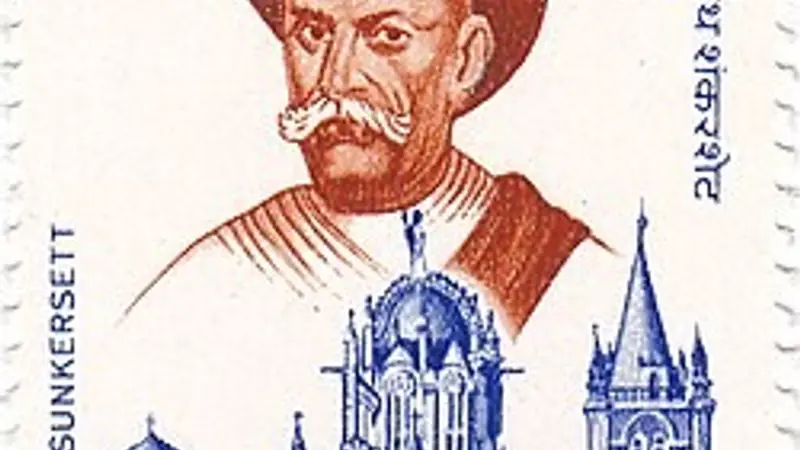
The life of Nana Shankarshet, born in 1803: Marathi, English and Sanskrit scholar, businessman and philanthropist who shaped the city of Bombay.

A conversation with a non-conformist technologist in the mould of D. D. Kosambi on why the recent tech bubble burst only confirmed his views.
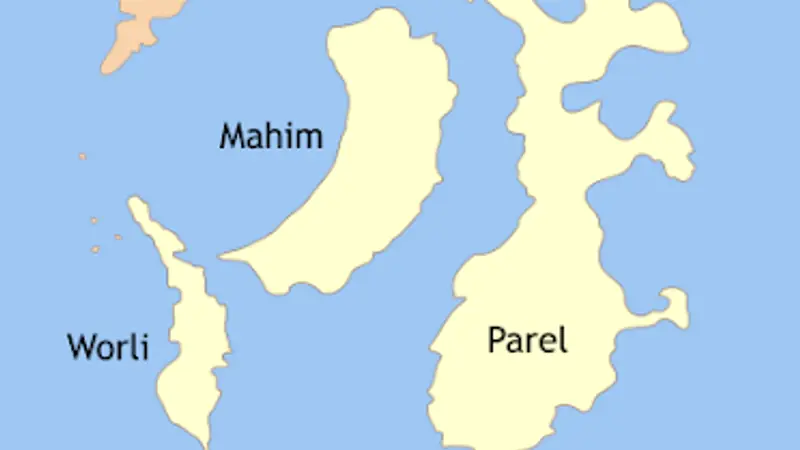
Mumbai was born of an explosive volcanic eruption, unlike the Deccan trap. The tell-tale signs survive in the rocks of Kanheri, Jogeshwari and Kurla.
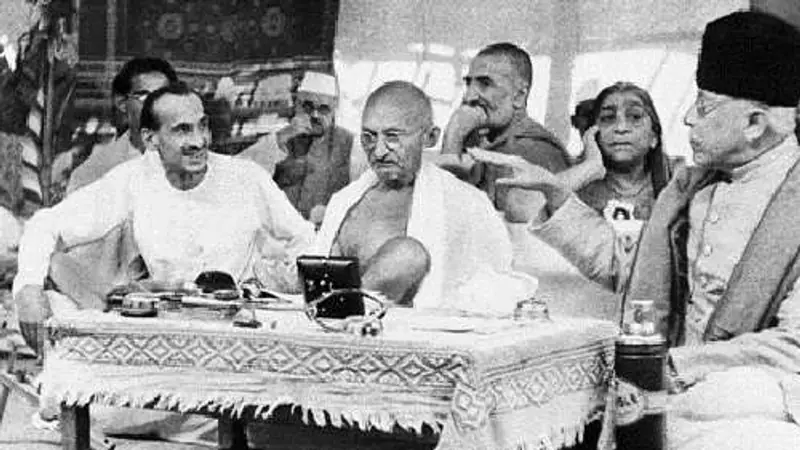
The little-known story of the 1942 Quit India session at Mumbai's Gowalia Tank Maidan, and of Yusuf Meherally, who coined the famous slogan.
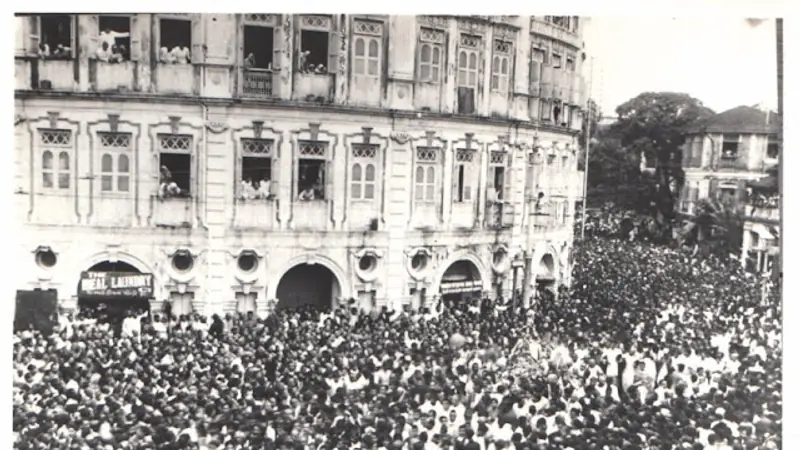
On August 1, 1920, Lokmanya Tilak died at Sardar Griha in Mumbai. More than two lakh people attended his funeral on a pyre at Chowpatty beach.
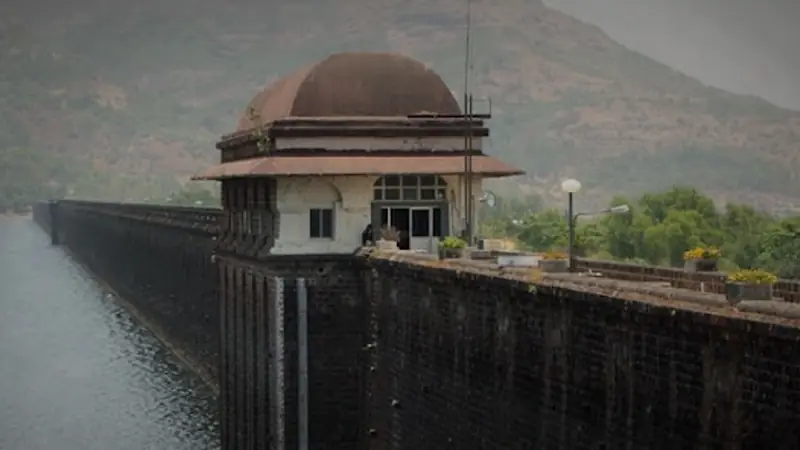
The story of David Gostling, who envisioned Jamsetji Tata's hydroelectric dream, one of the four great goals the Tata founder set for himself.
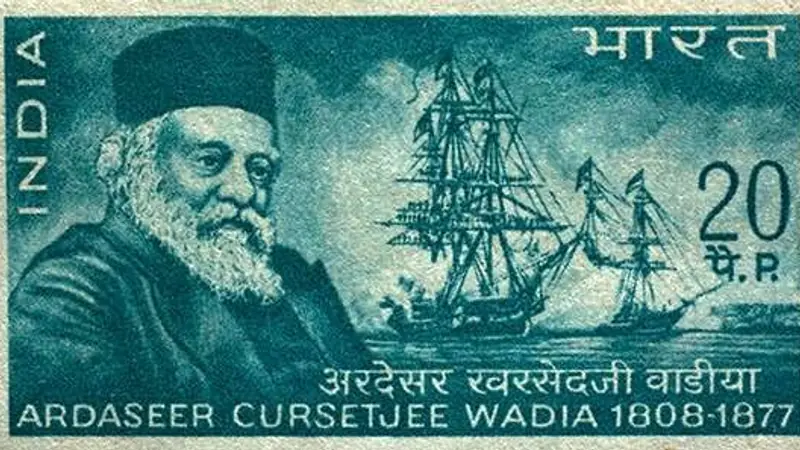
Ardaseer Cursetjee Wadia (1808-1877), of the illustrious Wadia shipbuilding family, was the first Indian elected Fellow of the Royal Society.
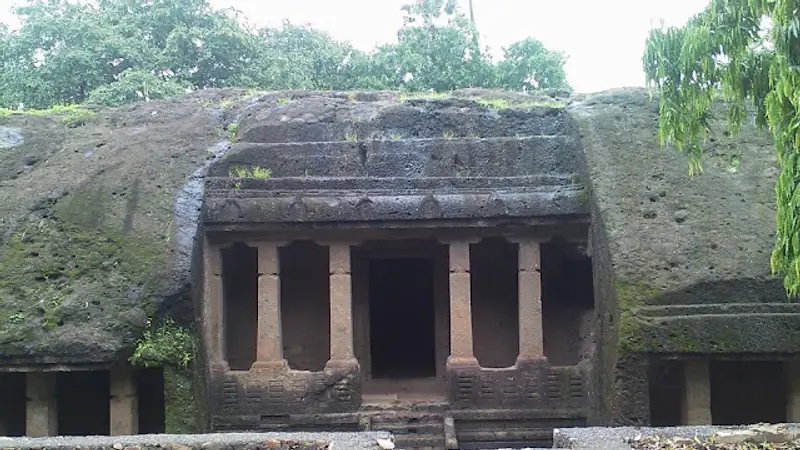
The Mahakali Caves in Andheri, Mumbai, are actually Buddhist rock-cut creations, once called the Kondivite caves after the adjoining village.
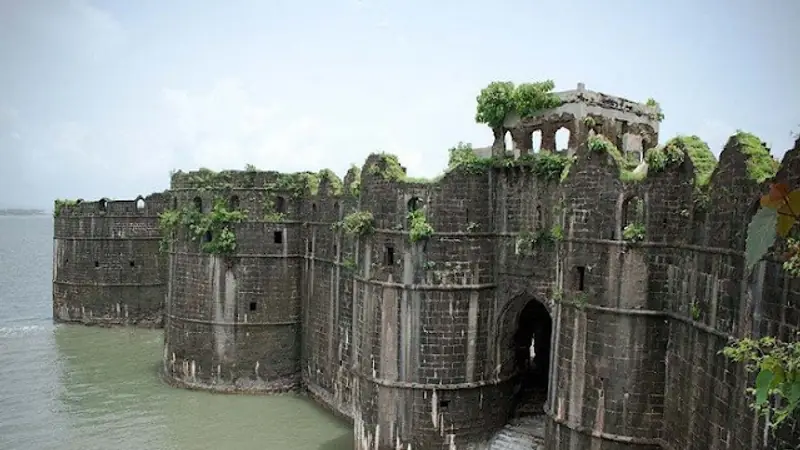
The Portuguese and the British built 11 forts across the Bombay islands, from Worli and Mahim to Sion and Sewree. The story of Mumbai's forts.
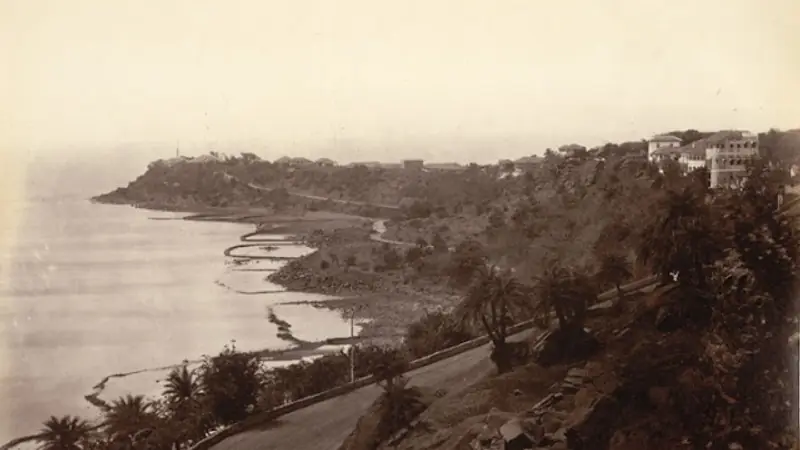
As Mumbai plans to rebuild Malabar Hill's 135-year-old reservoir, a look back at the epic history of this hallowed and upmarket Mumbai locality.
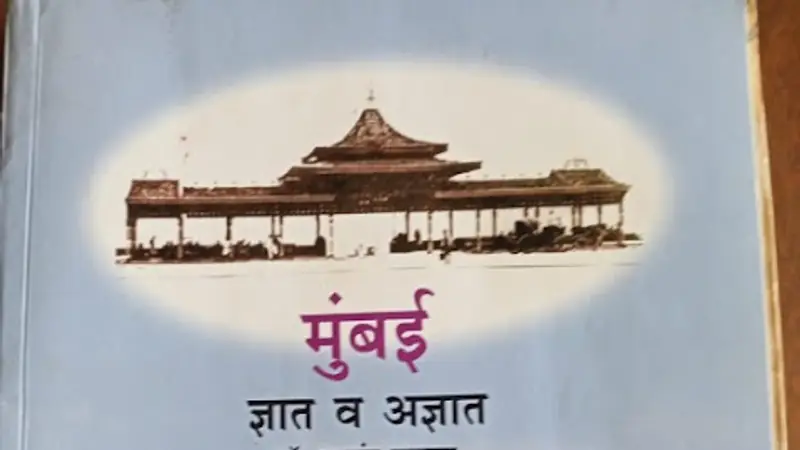
Mumbai's volcanic birth, 15 centuries of heritage and 600 years of foreign rule, explored through questions and answers by Dr. Y. A. Raikar.

Revisiting M S Sathyu's Garm Hawa, based on an Ismat Chughtai story and starring Balraj Sahni, one of the finest films ever made on Partition.
A review of John Naughton's A Brief History of the Future, a lovely tribute to the unsung engineers who built the Internet and its institutions.

On architect and author Pratap Velkar's book Lokmanya Tilak and Dr. Velkar, a treasure trove on Mumbai's role in Tilak's political movement.
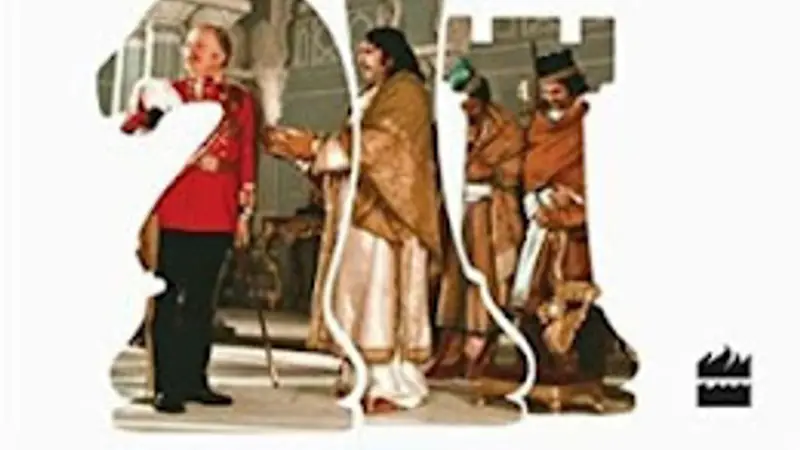
A review of Suresh Jindal's first-person account of the making of Satyajit Ray's Shatranj Ke Khiladi, set in Lucknow on the eve of annexation.

The story of stem cells is the story of life itself. Tracing the roots of these tiny custodians of regeneration, from mythology to modern science.

Prof. Ramakrishna Ramaswamy on D D Kosambi's work in mathematics and statistics, and the Bhabha versus Kosambi tussle over India's energy path.