
My yellow friend called JCB
My fondest memory from plant visits as a business process consultant: the ubiquitous backhoe excavator that everyone on site simply calls a JCB.
Page 5 of 19
445 essays · page 5 of 19
My fondest memory from plant visits as a business process consultant: the ubiquitous backhoe excavator that everyone on site simply calls a JCB.

Beyond the media's obsession with controversy, former RBI Governor Dr. D. Subbarao's memoir Who Moved My Interest Rate? is a primer for posterity.
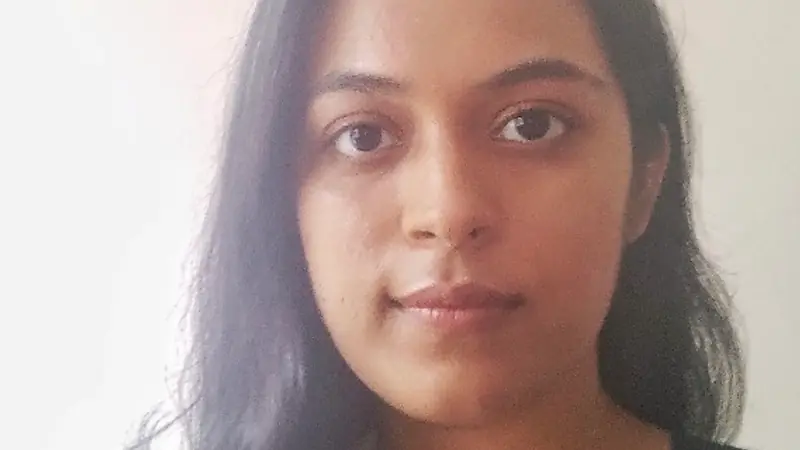
In conversation with a fundraiser I met at an India Foundation for the Arts screening in Bangalore, on why fundraising relies on trust and cause.
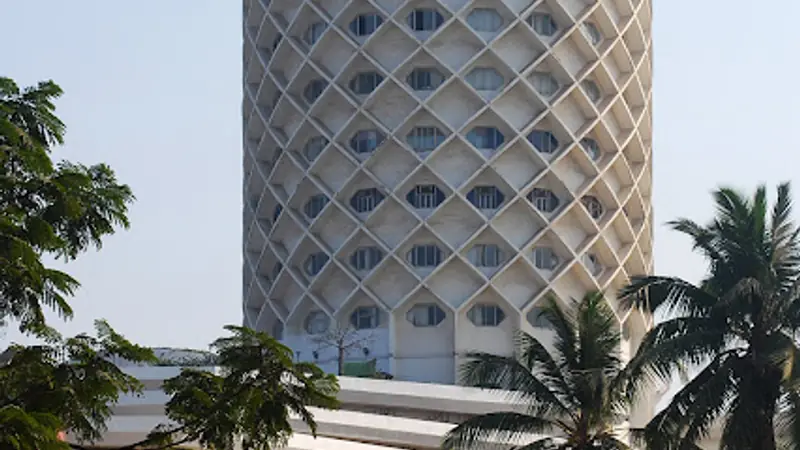
How Rajni Patel's memorial to Nehru, designed by architect I.M. Kadri as a 260-feet cylindrical tower in Worli, became the Discovery of India building.

A freewheeling video chat with insurance leader Vighnesh Shahane on cricket, leadership and the like-mindedness our first formal meeting missed.
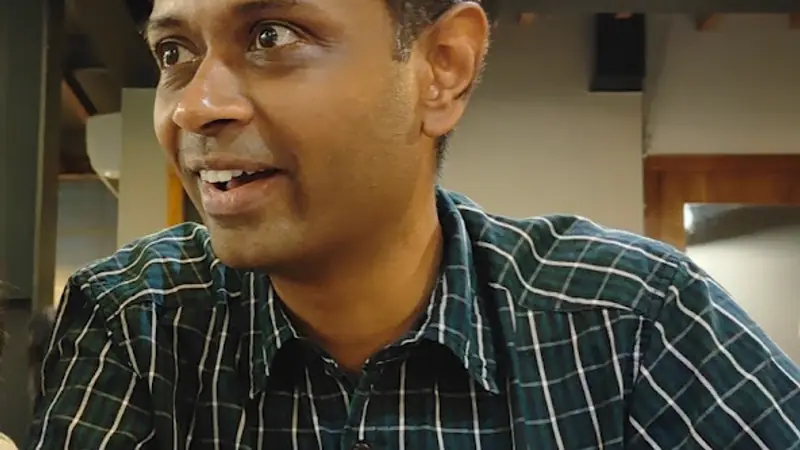
Meet the mavericks nurturing the holy curiosity of young minds, helping intuitive learning find its place amid the cesspool of rote learning.
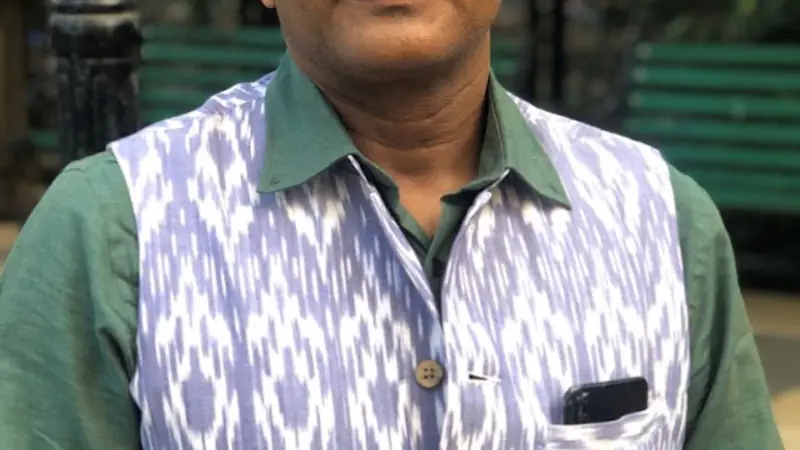
Mentor, board advisor and design thinker SaiKrishna Iyer on his family roots, his career, and India's reluctance to adopt process-based work culture.
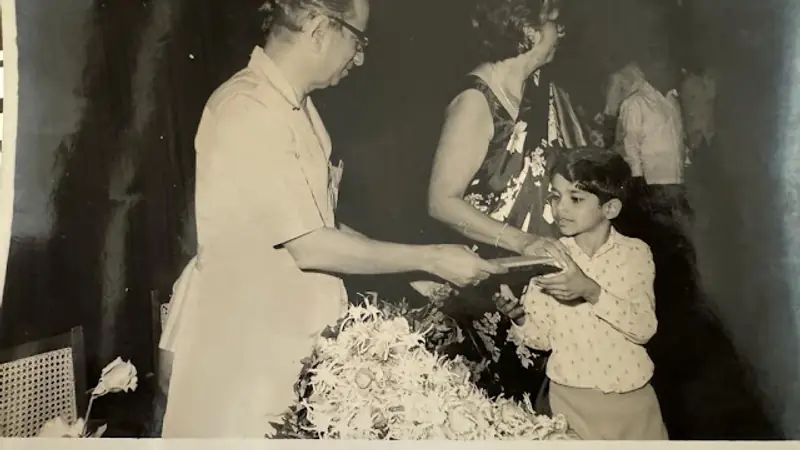
Recalling a 1998 corporate induction where I first met Manish Barve, and an unplugged conversation on the contexts and subtexts of his career.
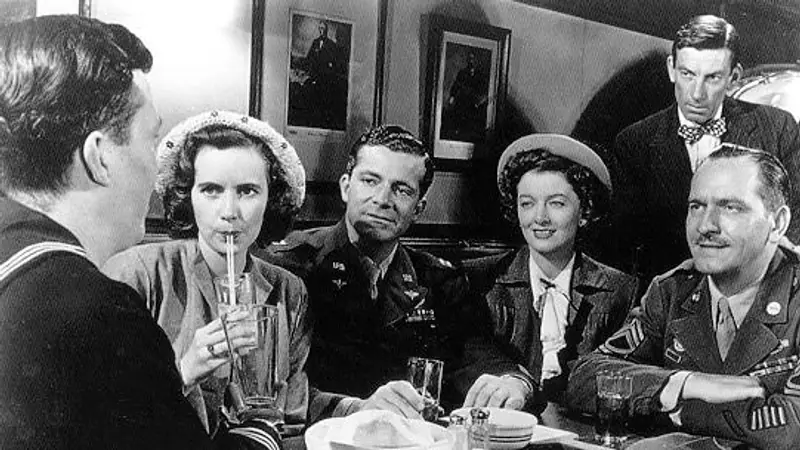
William Wyler's The Best Years of Our Lives (1946) follows three war veterans returning home, unsure of everything they had left behind to serve.
A tribute to Professor D. D. Kosambi, versatile scholar of mathematics, genetics, numismatics, Indology and Sanskrit, and a gifted non-conformist.
Why Manmohan Desai's 1981 blockbuster Naseeb is a favourite: chiefly for the effortless acting of two unsung legends, Amjad Khan and Amrish Puri.

A selective English translation of P L Deshpande's Lakhu Risbud from Vyakti aani Valli, the story of an immensely likeable intellectual imposter.
A review of Andrew Robinson's Satyajit Ray: The Inner Eye, much more than a well-executed biography of a rich and multifarious master filmmaker.
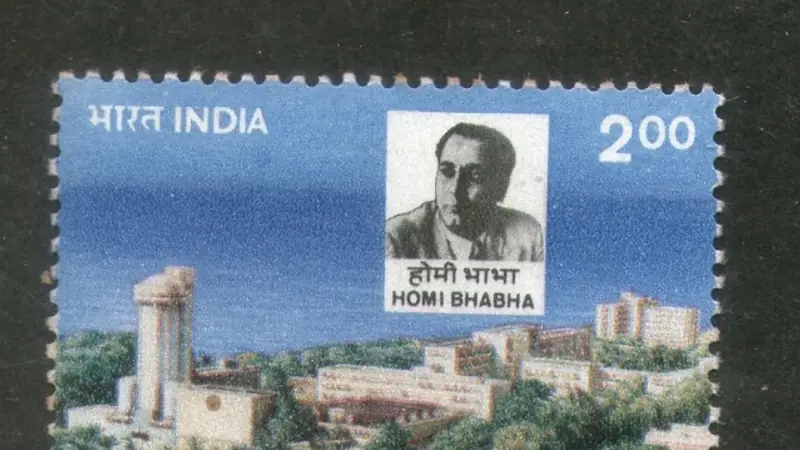
How a 50-tonne baobab tree threatened by road widening on Nepean Sea Road in 1970 was moved to the TIFR campus in Colaba, in Homi Bhabha's tradition.
A tribute to Kader Khan, a migrant from Kabul who grew up in a tough Mumbai neighbourhood, studied engineering and became a prolific film writer.
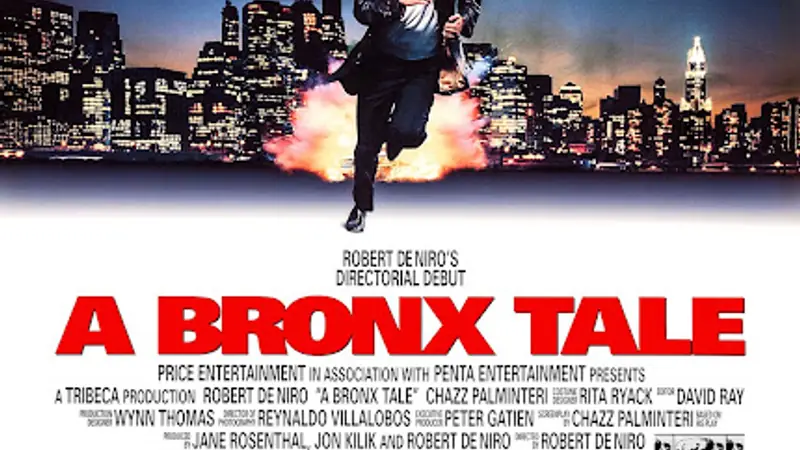
Revisiting A Bronx Tale (1993), born of Chazz Palminteri's one-man play, in which young Calogero is torn between two divergent philosophies of life.
On a crowded Mumbai suburban train past Khar, I overhear two weary middle-aged men clinging to the iron rod, lost in a conversation worth sharing.
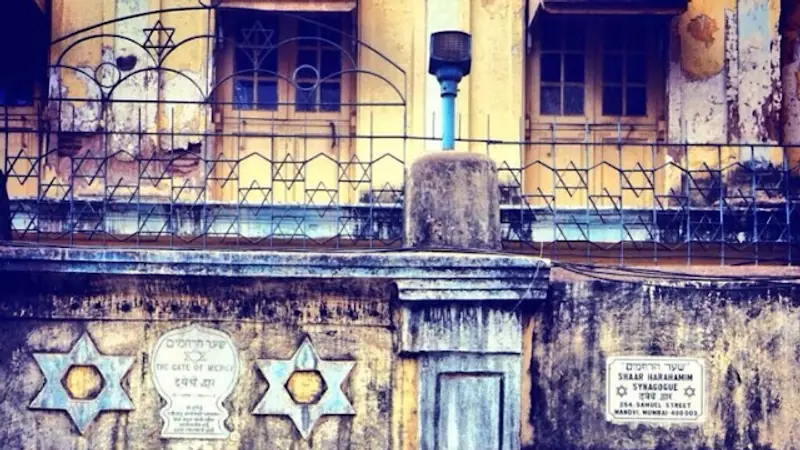
The Gate of Mercy, Mumbai's oldest synagogue, was built in 1796 by Bene Israel Jew Samuel Ezekiel Divekar and rebuilt in Mandvi in the year 1860.
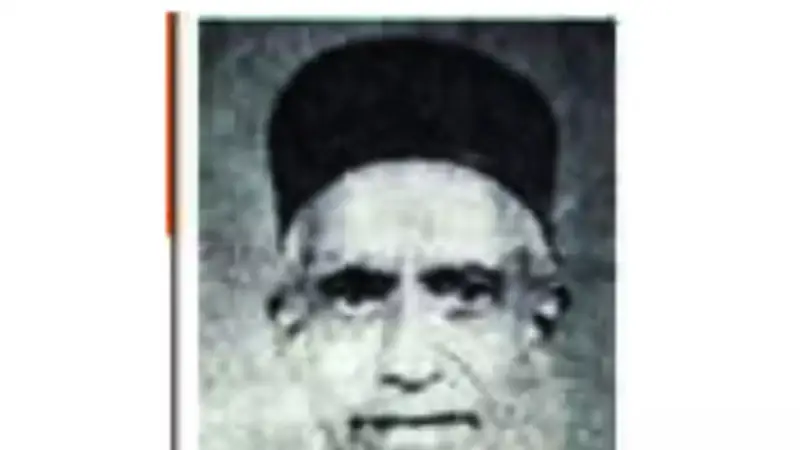
Vitthal Sayanna (1864-1932) came to Bombay in 1870 and built landmarks like the GPO and Prince of Wales Museum. The story of a father-son duo.
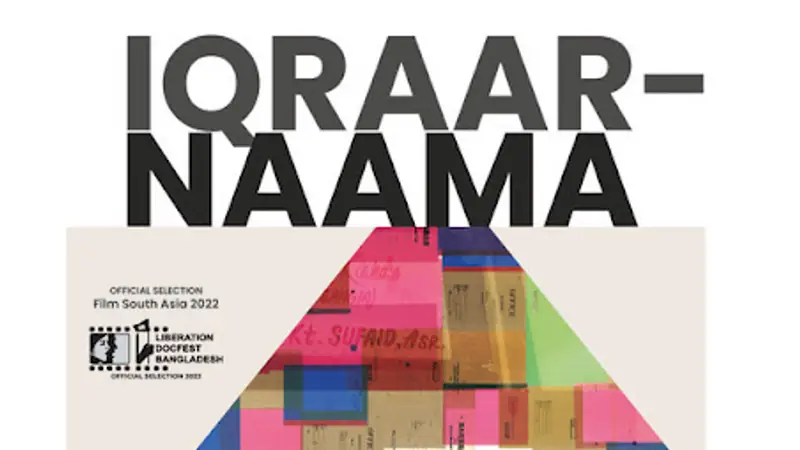
Priyanka Chhabra's Iqrarnama treats Partition without hollow sentimentality or arid discourse, a whiff of fresh air for the discerning viewer.
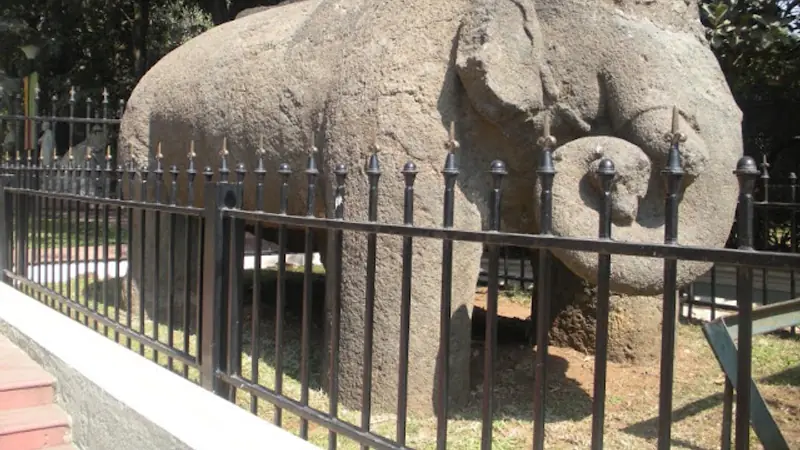
The stone elephant that gave Elephanta Caves its name has stood at Byculla's Jijamata Udyan since 1864, after a failed attempt to ship it to England.
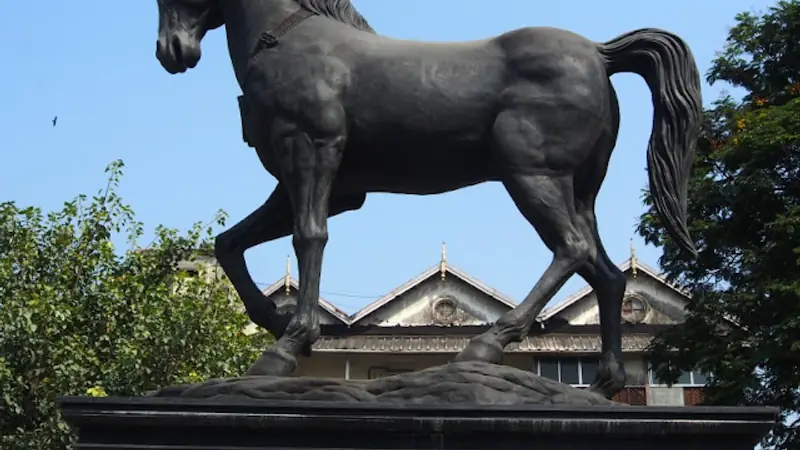
Mumbai's Kala Ghoda precinct takes its name from a black equestrian statue of King Edward VII, gifted by Albert Sassoon. The story behind it.
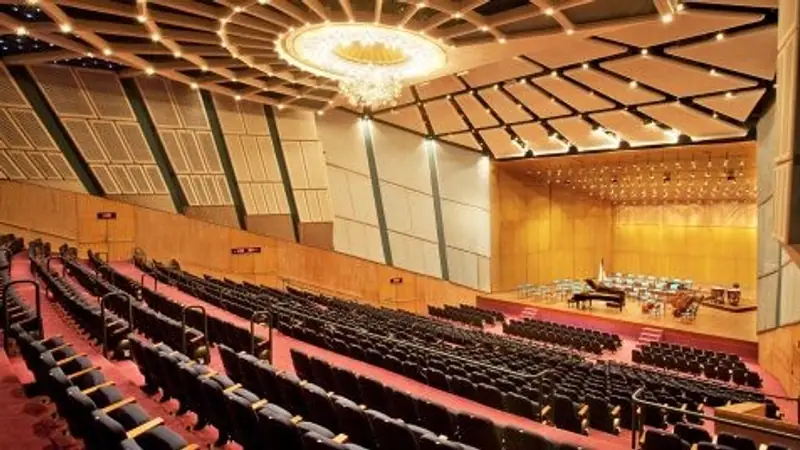
The story of the NCPA's Tata Theatre in Mumbai, born of Tata philanthropy and J.R.D. Tata's vision, and what makes it a unique architectural feat.
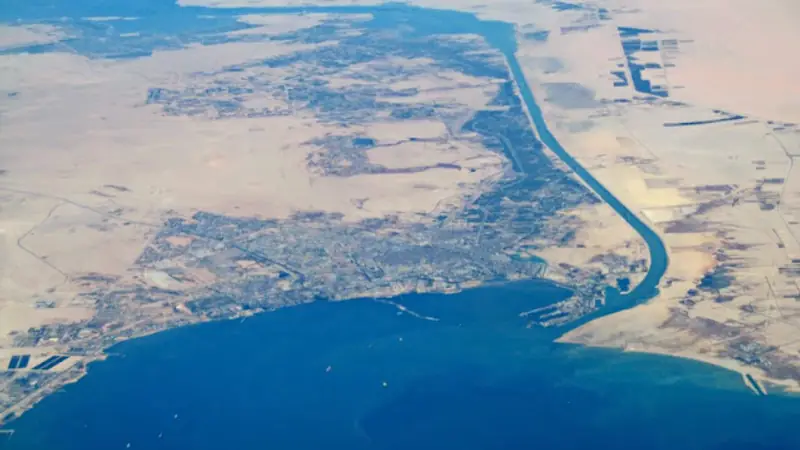
How Britain's control of the Suez Canal in 1875 slashed the distance between Mumbai and London and opened the floodgates of prosperity for Mumbai.